
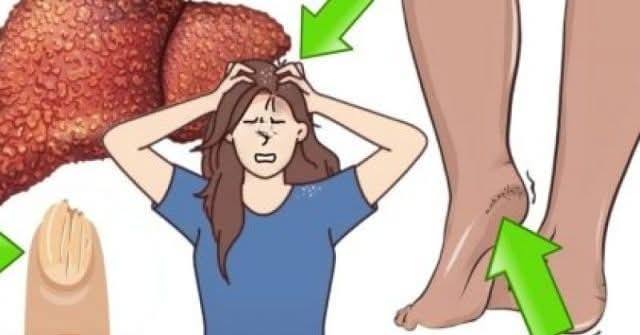
Liver cirrhosis is like an unexpected and insidious guest that quietly enters the body and gradually begins to envelop it in a network of scars. This unwanted visitor often persists for a long time and its appearance is often associated with causes such as excessive consumption of sweets, carbohydrates, and alcohol.
Over time, these bad habits silently undermine the liver.
Think of it as your body’s trusted manager and cleaner, without which the proper functioning of all systems is impossible. But when excess fat begins to accumulate in the liver tissue, it acts like a silent parasite, leading to the formation of fibrous areas. If you don’t intervene in time, this can lead to the development of cirrhosis.
The worst part is, you may not even realize it. The damage happens slowly, unnoticed, like a thief in the night, as you go about your daily business, while your liver is being destroyed from the inside out.
Gradually, scar tissue replaces healthy tissue, preventing the liver from performing its most important functions: purifying the blood, regulating hormones, and metabolism. Doctors call this phenomenon “silent cirrhosis” because it can develop over a long period of time without any obvious signs.
Surprisingly, more than a quarter of the population in developed countries suffers from fatty liver disease. To avoid the consequences, it’s important to pay attention to the slightest signals sent by the body. Today, I’m going to share ten early signs of cirrhosis and other liver diseases, as well as nutritional recommendations to promote healing. Early detection of these symptoms plays an important role in maintaining good health.
⚠️IMPORTANT: The information provided in this article is for informational purposes only and should not be used as a substitute for medical advice, diagnosis, or treatment. Avoid self-medication and unproven methods. When in doubt, consult a doctor and follow the principles of evidence-based medicine.
1. Spider veins. One of the first signs is the appearance of spider veins on the skin of the upper body. These are fine red lines resembling cobwebs. They appear due to excess estrogen in the body, when the liver does not have time to process them. The veins then dilate and become visible on the surface of the skin.
2. Yellowing of the skin and eyes: A yellowish tint to the skin and whites of the eyes is another worrying symptom. It indicates difficulty processing bilirubin, which may be related to liver failure.
3. Red palms. Red palms are a manifestation of palmar erythema. This condition affects approximately 25% of people with severe liver disease and is associated with a hormonal imbalance, where excess estrogen causes dilation of the blood vessels in the hands.
Note: Palmar erythema can occur not only in cirrhosis, but also in pregnant women, rheumatoid diseases, pulmonary pathologies and subacute bacterial endocarditis.
4. Abdominal swelling. Ascites (accumulation of fluid in the abdominal cavity) causes visible swelling of the abdomen. This can be a consequence of severe liver damage, when the body’s water-salt balance is disrupted and fluid accumulates between the organs.
Ascites often accompanies diseases of the gastrointestinal tract, liver, heart, reproductive and lymphatic systems and requires medical attention.
5. Male breast enlargement. Hormonal imbalances due to liver problems can lead to male breast enlargement. This is due to an increase in estrogen levels, which the liver is no longer able to use properly.
We remind you that the article is based on scientific data and medical observations, but is not intended for self-diagnosis or treatment.
