
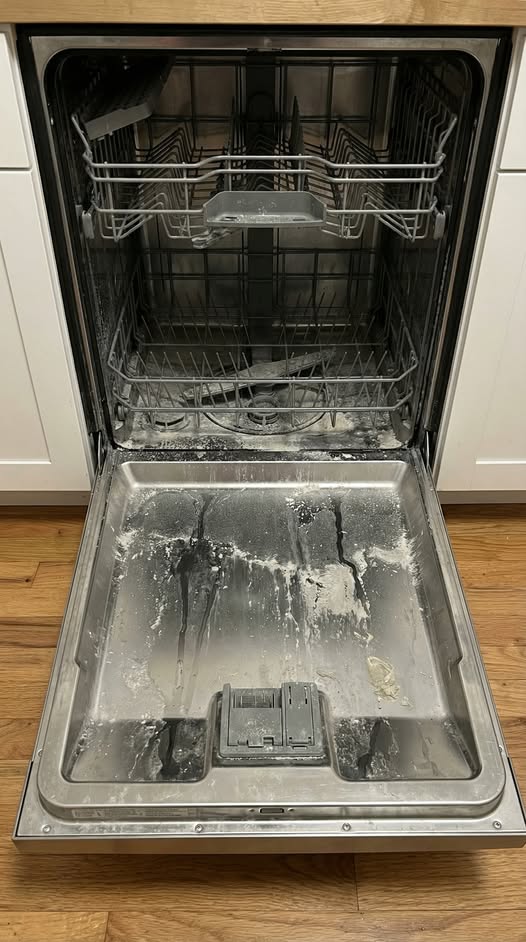
The dishwasher is one of the greatest kitchen conveniences ever invented. With the push of a button, it promises sparkling clean dishes, less time spent scrubbing, and more time to enjoy life. But despite how useful it is, the dishwasher is not a one-size-fits-all cleaning solution.
Many everyday items can be damaged, ruined, or even become dangerous when placed in a dishwasher. Some materials can warp, crack, rust, dull, or leach chemicals under high heat and harsh detergents. Others may damage the dishwasher itself.
To save your kitchen tools, protect your appliance, and avoid costly mistakes, here’s a detailed guide to the things you should absolutely never put in a dishwasher—and why.
—
1. Wooden Items
Wood and dishwashers are a terrible combination.
Never put these in the dishwasher:
Wooden cutting boards
Wooden spoons and spatulas
Rolling pins
Wooden salad bowls
Why it’s a problem:
Dishwashers use high heat, steam, and long soak cycles, which cause wood to absorb moisture. Over time, wooden items can:
Warp or crack
Lose their original shape
Develop rough, splintered surfaces
Harbor bacteria inside new cracks
Better option: Hand-wash quickly with warm water, dry immediately, and occasionally oil with food-grade mineral oil.
—
2. Sharp Knives
Even if they’re labeled “dishwasher-safe,” sharp knives don’t belong there.
What’s at risk:
Chef’s knives
Steak knives
Paring knives
Why it’s a problem:
Heat and detergent dull the blade
Knives can bang against other items and chip
Loose knives create a serious injury risk when unloading
Better option: Hand-wash immediately after use and dry right away.
3. Cast Iron Cookware
Cast iron and dishwashers are enemies.
Never put in the dishwasher:
Cast iron skillets
Enameled cast iron (unless manufacturer says otherwise)
Why it’s a problem:
Detergent strips away seasoning
Prolonged moisture causes rust
Heat can damage protective enamel
Better option: Rinse with hot water, scrub gently, dry thoroughly, and re-season if needed.
—
4. Nonstick Pans
Dishwashers slowly destroy nonstick coatings.
Why it’s a problem:
High heat breaks down nonstick surfaces
Detergents cause peeling and flaking
Coating may leach into food over time
Better option: Hand-wash with a soft sponge and mild soap.
—
5. Insulated Mugs and Travel Cups
Your favorite tumbler may look fine after a cycle—but the damage is hidden.
Why it’s a problem:
Heat can break vacuum seals
Water can enter insulation layers
Cups lose their ability to keep drinks hot or cold
Better option: Hand-wash and air-dry upside down.
Final Takeaway
The dishwasher is powerful—but that power comes with limits.
If an item is:
Made of wood
Sharp
Delicate
Nonstick
Insulated
Vintage or handmade
…it probably belongs in the sink, not the dishwasher.
A few extra minutes of hand-washing can save you years of use, hundreds of dollars, and a lot of frustration.
