
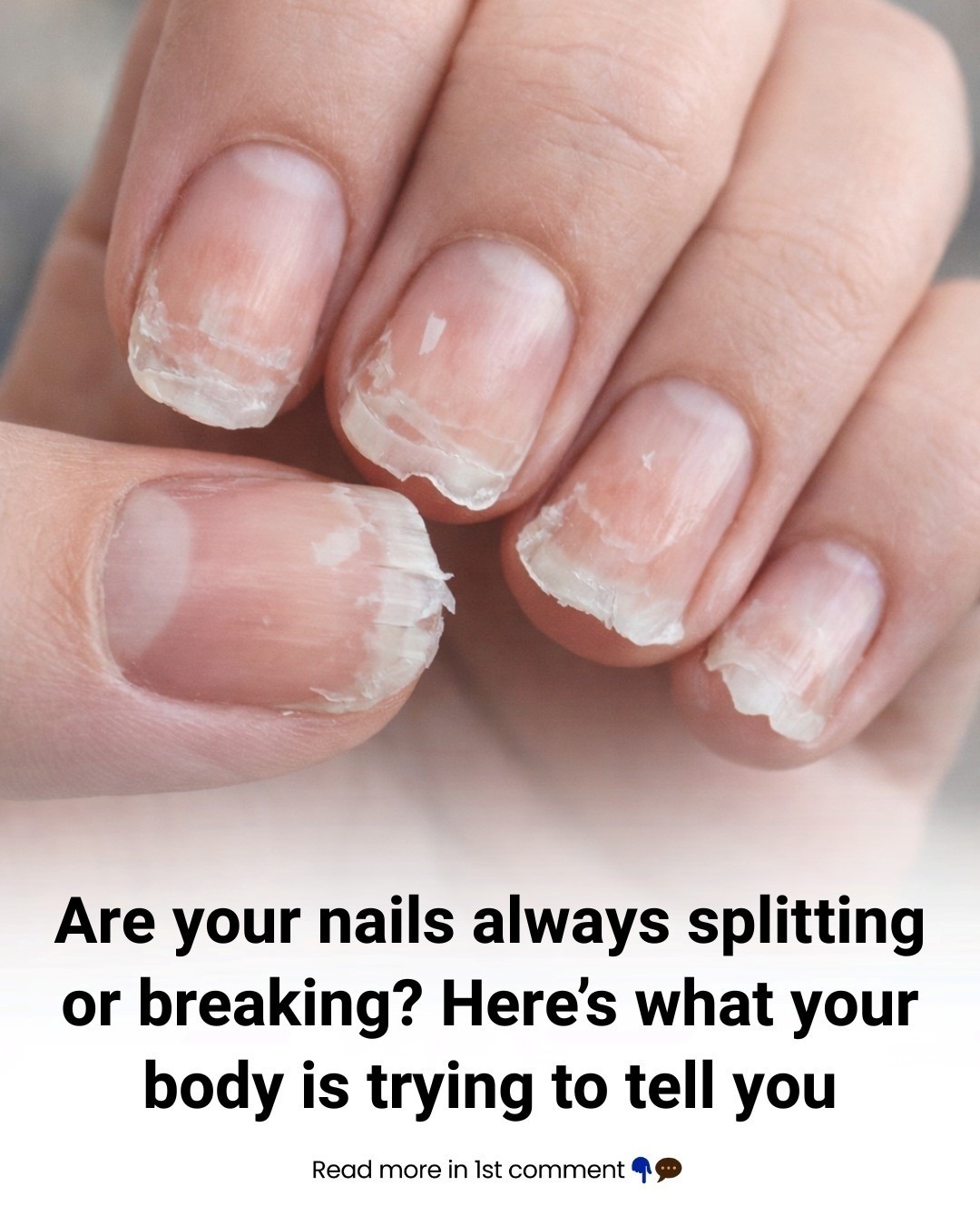
Your nails may seem like a small, cosmetic detail, but they can quietly reflect what’s happening inside your body. Weak, brittle, peeling, or splitting nails are extremely common—and while the occasional break isn’t alarming, persistent nail problems can be your body’s way of sending a message.
From nutrient deficiencies to hormonal shifts and everyday habits, your nails often respond long before other symptoms appear. If your nails won’t grow, constantly crack, or feel paper-thin no matter what you do, it may be time to look deeper.
Here’s what weak or brittle nails can really mean—and what you can do about it.
—
What Are Weak or Brittle Nails?
Weak or brittle nails tend to:
Break or crack easily
Peel in layers
Split at the tips
Feel thin, soft, or bendable
Develop vertical ridges or rough textures
Medically, this condition is called onychorrhexis, and it affects a large portion of the population—especially women and older adults.
While harsh nail products, frequent hand washing, or water exposure can worsen nail health, long-term brittleness is often linked to internal factors.
—
Common Reasons Your Nails Are Weak or Brittle
1. Nutritional Deficiencies
One of the most common causes of brittle nails is lack of key nutrients.
Your nails are made primarily of keratin, a protein that depends on proper nutrition to stay strong.
Low levels of the following can weaken nails:
Biotin (Vitamin B7): Linked to brittle, splitting nails
Iron: Can cause thin, fragile, or spoon-shaped nails
Protein: Essential for nail growth and strength
Zinc: Supports nail repair and structure
Vitamin B12: Deficiency may cause discoloration and weakness
If your diet lacks variety or you’ve been restricting food groups, your nails may be one of the first places it shows.
2. Dehydration (Inside and Out)
Just like skin and hair, nails need moisture.
Not drinking enough water can make nails dry and prone to splitting
Excessive exposure to water (hand washing, cleaning, swimming) can strip natural oils
When nails lose moisture repeatedly, they become brittle rather than flexible.
—
3. Hormonal Changes
Hormones play a major role in nail growth and strength.
Fluctuations related to:
Pregnancy
Menopause
Thyroid conditions
can affect how fast nails grow and how strong they become.
Hypothyroidism, in particular, is associated with brittle, slow-growing nails.
—
4. Aging
As we age, nail growth naturally slows, and nails can become drier and more fragile.
Oil production decreases over time, making nails more prone to cracking—even if overall health is good.
—
5. Repeated Chemical Exposure
Frequent exposure to nail polish removers (especially acetone), gels, acrylics, and harsh soaps can weaken nails over time.
Signs of product-related damage include:
Peeling layers
White spots
Soft or bendy nails
Even “beauty routines” can unintentionally damage nail structure when overdone.
—
6. Frequent Wet-Dry Cycles
Constantly soaking nails in water—then letting them dry—causes expansion and contraction. Over time, this weakens the nail plate.
This is especially common in people who:
Wash dishes by hand often
Clean without gloves
Work in healthcare or food service
—
When Brittle Nails May Signal a Health Issue
While most nail problems are harmless, persistent or severe changes may be worth medical attention.
See a healthcare provider if brittle nails come with:
Fatigue or weakness
Hair thinning or hair loss
Pale skin or dizziness
Sudden nail shape changes
Discoloration or pain
These can sometimes point to anemia, thyroid disorders, or other underlying conditions.
—
How to Strengthen Weak or Brittle Nails
Simple, Effective Steps:
Eat a balanced diet with adequate protein
Stay hydrated
Use gloves for cleaning and dishwashing
Moisturize nails and cuticles daily
Limit acetone and harsh nail treatments
Keep nails trimmed to prevent splitting
For some people, biotin supplements may help—but always consult a healthcare provider before starting supplements.
—
Your Nails Are Talking—Are You Listening?
Weak or brittle nails aren’t just an inconvenience. They’re often a quiet reflection of your body’s nutritional status, hydration, hormones, or daily habits.
The good news? Nails are resilient. With the right care and a little patience, most nail problems improve once the underlying cause is addressed.
Sometimes, your body whispers before it shouts—and your nails may be one of its earliest signals.
