
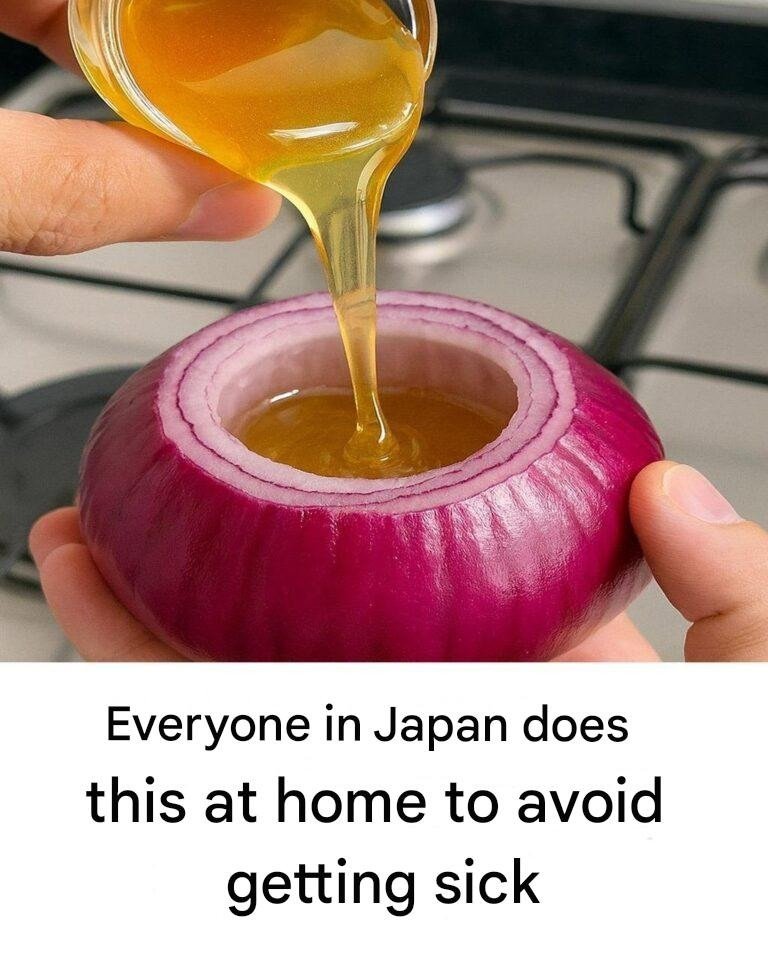
When people talk about Japan’s “secret,” they’re usually pointing to patterns, not potions.
Japan consistently ranks among the healthiest countries in the world—not because of a single food or drink, but because of daily habits that quietly support the immune system over a lifetime.
No magic. No extremes. Just consistency.
Let’s break down what’s actually behind the myth.
—
1. Food That Supports the Body Instead of Overloading It
Japanese cuisine isn’t built around indulgence—it’s built around balance.
Common elements include:
Fermented foods (miso, natto, pickles)
Fish rich in omega-3s
Vegetables eaten daily, often lightly cooked
Smaller portions with varied ingredients
Fermented foods are especially important. They support gut health, and since a large portion of the immune system is connected to the gut, this creates a strong foundation for overall resilience.
This isn’t about superfoods. It’s about regular exposure to foods that the body recognizes and handles well.
—
2. Eating Until You’re Not Hungry—Not Full
In Okinawa, a region known for longevity, there’s a saying:
“Hara hachi bu.”
Eat until you’re about 80% full.
This habit reduces chronic inflammation, supports digestion, and prevents the constant metabolic stress caused by overeating.
It’s not dieting.
It’s awareness.
And over decades, that awareness adds up.
—
3. Daily Movement Without “Exercise Culture”
Many Japanese people walk more than people in most countries—not as workouts, but as transportation.
Walking:
To the train
To the store
Through neighborhoods
This kind of gentle, daily movement improves circulation, supports immune signaling, and lowers stress hormones—without exhausting the body.
It’s movement that supports health instead of demanding it.
4. Respect for Rest and Routine
Sleep is taken seriously in Japan—not perfectly, but culturally.
Regular schedules, predictable meals, and consistent routines help regulate circadian rhythms. A stable rhythm means:
Better immune response
Lower cortisol spikes
Faster recovery from illness
Even short rest periods are normalized rather than viewed as laziness.
—
5. Cleanliness as Prevention, Not Fear
Japan’s emphasis on hygiene often gets misunderstood.
Mask-wearing when sick, frequent handwashing, and removing shoes indoors aren’t about fear—they’re about reducing unnecessary immune strain.
Less exposure to avoidable pathogens means the immune system can respond more efficiently when it does need to work.
—
Why Doctors “Blink” at the Claim
Doctors don’t dismiss Japanese health habits.
They dismiss the idea of a miracle recipe.
Because real health doesn’t come from one drink, one soup, or one trick. It comes from:
Habits repeated quietly
Choices that reduce strain on the body
Systems that support balance over time
Japan didn’t crack a secret code.
It simply never stopped respecting the basics.
—
The Real Takeaway
You don’t need to live in Japan—or eat like a monk—to benefit from this.
The “recipe” is:
Eat simply and consistently
Support your gut
Move a little every day
Sleep on a rhythm
Reduce stress where possible
None of that is flashy.
But over years, it’s powerful.
And that’s the part that actually works—no blinking required.
