
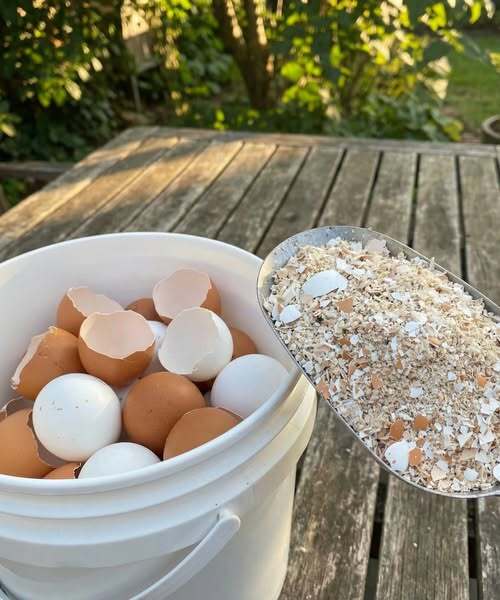
Eggshells are often discarded as mere kitchen waste, but with a little preparation, they can become a surprisingly valuable resource for both your home and garden. Rich in calcium, magnesium, and trace minerals, and possessing a naturally sturdy structure, eggshells can be used in a wide variety of practical ways. By taking a few simple steps to clean and process them, you can safely repurpose eggshells instead of sending them to the trash. This small habit not only promotes a low-waste lifestyle but also allows you to benefit from a readily available, cost-free resource. Beyond the environmental advantages, incorporating eggshells into everyday routines encourages mindfulness about the materials we often overlook, helping transform ordinary kitchen scraps into tools for sustainability and utility.
Before reusing eggshells, it is essential to sanitize them thoroughly to ensure safety. Start by rinsing each shell under cold water to remove any remaining egg white or membrane, which can harbor bacteria. Then, place the shells in a pot of water and bring it to a gentle boil for approximately ten to fifteen minutes. Boiling not only sterilizes the shells but also strengthens them, making them easier to crush or grind later. After boiling, carefully drain the water and allow the shells to dry completely on a clean towel, baking sheet, or even a dehydrator if you prefer. Fully dried shells can then be stored in a sealed container, away from moisture and contaminants, until needed. This preparation ensures that the eggshells are safe for handling and ready for a wide range of uses, from gardening to household cleaning.
One of the most common applications for prepared eggshells is in gardening. Crushed eggshells can be added directly to compost, where they slowly release essential minerals like calcium, which is critical for healthy plant growth. When sprinkled into garden soil, the shells can help enrich nutrient-deficient areas, improve soil structure, and promote robust root development over time. Gardeners also often use coarsely broken shells as a natural pest deterrent; scattered around vulnerable plants, the sharp edges can help discourage slugs, snails, and other crawling insects from causing damage. Another creative gardening use is as miniature seed-starting containers: simply place a small amount of potting soil in half an eggshell, plant your seeds, and once seedlings have sprouted, plant the entire shell in the garden. The shell decomposes naturally, slowly releasing nutrients directly to the growing plant. This method reduces the need for plastic seed trays and integrates seamlessly with eco-friendly gardening practices.
