
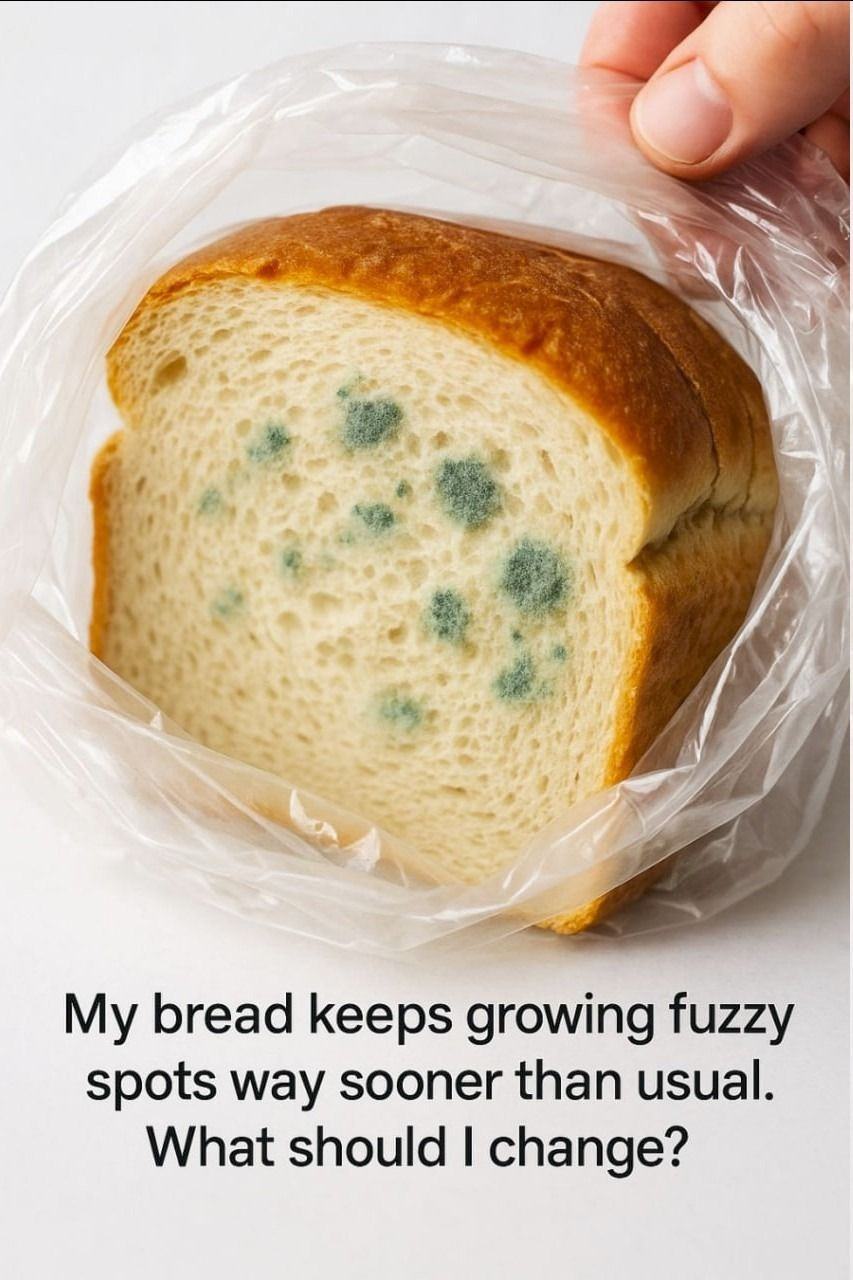
Bread is a staple in many households, enjoyed for its versatility and deliciousness. However, there is nothing more disappointing than reaching for a loaf only to discover that it has developed fuzzy mold spots well before its time. Moldy bread not only means wasted food but also poses health risks if consumed. Understanding why this happens and how to prevent it can save you time, money, and keep your bread fresher for longer.
Various factors can contribute to the accelerated growth of mold on bread. From the environment in which it’s stored to the type of bread itself, small changes in storage practices can have a significant impact. In this article, we explore the reasons behind premature mold growth and provide actionable tips to extend the shelf life of your bread.
1. Confirm It’s Actually Mold (And Not Just Stale Bread)
Before making any changes, it’s essential to confirm that the issue is indeed mold and not just staleness. Mold on bread typically appears as fuzzy, green, blue, or black spots. These spots are colonies of fungi that feed on the bread. Stale bread, on the other hand, will feel hard and dry but won’t have these colored spots. Always err on the side of caution and discard bread if you’re unsure, as mold can have harmful health effects.
2. Check How Warm Your Kitchen Really Is
Mold thrives in warm environments, so the temperature of your kitchen can significantly impact mold growth. Ideally, bread should be stored in a cool, dry place. Kitchens that are consistently above 75°F (24°C) can accelerate mold growth. Consider using a thermometer to check the temperature in your kitchen and adjust accordingly. If your kitchen is too warm, it might be beneficial to store your bread in a cooler pantry or room.
3. Tame the Humidity: Why Moist Air Turbocharges Mold
High humidity levels create the perfect breeding ground for mold. Bread stored in areas with humidity levels above 60% can develop mold much faster. To combat this, use a dehumidifier in your kitchen or pantry to keep the air dry. Additionally, avoid storing bread in areas where steam or moisture is prevalent, such as near a sink or stove. Keeping the humidity in check can drastically slow down mold growth.
4. Stop Storing Bread on or Near the Fridge and Dishwasher
Both refrigerators and dishwashers are sources of heat and moisture, which can increase the likelihood of mold growth. The top of the refrigerator is often warm due to the motor, and the dishwasher releases steam and humidity when in use. Ensure that bread is stored away from these appliances to minimize exposure to heat and moisture. A dedicated bread box or a cool, dry cabinet can be a better storage option.
5. Avoid Cross-Contamination From Cutting Boards and Hands
Mold spores can easily transfer from contaminated surfaces to fresh bread. Always use a clean cutting board and knife when slicing bread. Wash your hands before handling bread to prevent transferring any spores. If you suspect that a cutting board might be harboring mold, sanitize it thoroughly with a vinegar solution or in the dishwasher.
6. Choose Longer-Lasting Breads and Watch the Ingredient List
Certain types of bread, such as sourdough and those made with preservatives, tend to last longer without molding. When purchasing bread, check the ingredient list for natural preservatives like vinegar or ascorbic acid. These can help slow down mold growth. Whole grain and organic breads, while healthier, often mold faster due to the lack of preservatives.12. Track How Fast Different Brands Mold in Your Home
Not all bread is created equal, and some brands may mold faster than others based on their ingredients and baking process. Conduct a small experiment by purchasing different brands and tracking how long each takes to develop mold. This information can guide you in choosing the best bread for your household’s conditions.
7. When to Call It Quits and Toss the Loaf Safely
If you notice mold on your bread, it’s best to discard the entire loaf. Mold roots can penetrate deep into the bread, even if they’re not visible. To dispose of moldy bread safely, seal it in a plastic bag before throwing it away to contain spores. Avoid composting moldy bread, as it can spread mold to your compost pile.
