
Do you find yourself:
Gripping the railing a little tighter when climbing stairs?
Setting down grocery bags halfway to the kitchen?
Feeling winded after gardening or playing with grandkids?
You might brush it off as “just getting older.”
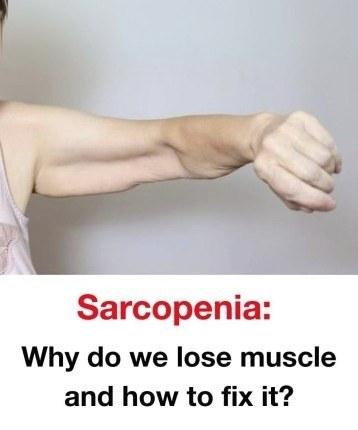
But what if it’s not aging—it’s sarcopenia: a stealthy, progressive loss of muscle mass and strength that affects up to 30% of adults over 60—and nearly 50% over 80.
The good news? Sarcopenia is not inevitable.
It’s not written in your genes.
And with the right strategies, you can slow it, reverse it, and even prevent it—starting today.
In this science-backed guide, you’ll discover:
✅ What sarcopenia really is (and why it’s more than “weakness”)
✅ The 5 hidden causes—including one you can’t see (but can fix!)
✅ 3 powerful, proven solutions that rebuild muscle at any age
✅ Simple daily habits that protect your independence for decades to come
Because your strength isn’t just about muscles—it’s about freedom, dignity, and living life on your terms.
🔬 What Is Sarcopenia? More Than Just “Aging Weakness”
Sarcopenia (from Greek: sarx = flesh, penia = loss) is now officially classified as a muscle disease—not a normal part of aging.
It’s defined by three key signs:
Low muscle mass (measured by DEXA scan or bioimpedance)
Reduced muscle strength (e.g., weak grip, trouble rising from a chair)
Poor physical performance (slow walking speed, frequent falls)
Left unchecked, sarcopenia increases risks of:
Falls and fractures
Loss of independence
Longer hospital stays
Even higher mortality
🌟 Crucial insight: You can have sarcopenia even if you’re not “skinny”—it often hides beneath normal weight (a condition called “sarcopenic obesity”).
⚠️ 5 Key Causes of Muscle Loss After 50 (It’s Not Just “Getting Old”)
1. Protein Deficiency – The #1 Dietary Mistake
After 50, your body becomes less efficient at using protein to build muscle (a condition called “anabolic resistance”).
Yet most adults over 50 consume far less protein than needed—especially at breakfast and lunch.
👉 Solution: Aim for 25–30g of high-quality protein per meal (more than the RDA!).
2. Sedentary Lifestyle – “Use It or Lose It” Is Real
Muscle fibers atrophy within days of inactivity. Retirement, desk jobs, or chronic pain can accelerate loss.
👉 Solution: Resistance training is non-negotiable—even light weights or resistance bands help.
3. Chronic Inflammation – The Invisible Fire
Conditions like arthritis, diabetes, or obesity create low-grade inflammation that breaks down muscle tissue.
👉 Solution: An anti-inflammatory diet (rich in omega-3s, antioxidants) + stress management.
4. Hormonal Shifts – Especially After Menopause & Andropause
Declines in estrogen, testosterone, and growth hormone reduce muscle synthesis.
👉 Solution: Strength training naturally boosts these hormones—no supplements needed for most.
5. Vitamin D Deficiency – Shockingly Common
Over 70% of adults over 50 are vitamin D deficient—a key nutrient for muscle function and nerve signaling.
👉 Solution: Get tested; supplement if needed (1,000–2,000 IU/day is often safe).
💥 3 Proven Strategies to Reverse Sarcopenia—At Any Age
✅ 1. Eat More Protein—Smartly
Best sources:
Eggs, Greek yogurt, cottage cheese
Fatty fish (salmon, sardines)
Lean poultry, tofu, lentils
Whey protein isolate (studies show it boosts muscle synthesis in older adults)
Pro tip: Distribute protein evenly—not just at dinner. Try:
Breakfast: 2 eggs + 1 oz cheese = ~20g protein
Lunch: 4 oz chicken + quinoa = ~30g
Dinner: 5 oz fish + edamame = ~35g
🥛 Bonus: Pair protein with vitamin C-rich foods (bell peppers, citrus) to support collagen in tendons and ligaments.
✅ 2. Lift Something—Every Week
You don’t need a gym. You need progressive resistance.
Beginner routine (2x/week):
Chair squats: 2 sets of 10
Wall push-ups: 2 sets of 12
Resistance band rows: 2 sets of 15
Heel raises: 2 sets of 20
📈 Key: Gradually increase reps, sets, or resistance. Muscle grows when challenged—not when comfortable.
✅ 3. Walk—But Add Power
Walking is great for heart health—but not enough for muscle.
👉 Upgrade your walk:
Add short bursts of brisk walking (30 seconds fast, 90 seconds slow)
Walk uphill or stairs 2x/week
Carry light hand weights (1–2 lbs) to engage arms
🛡️ Prevention Starts Now—Even in Your 40s or 50s
Get a grip strength test (many pharmacies offer it)—it’s a strong predictor of future health
Stand up every 30 minutes if you sit all day
Prioritize sleep: Poor sleep = higher cortisol = muscle breakdown
Stay socially active: Depression and isolation reduce physical activity
