
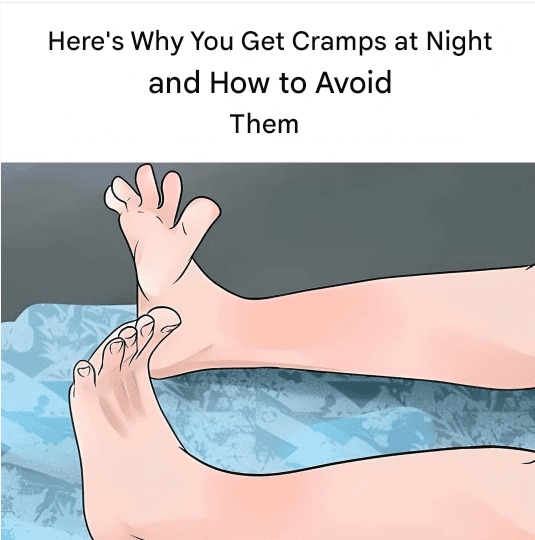
When a Simple Nighttime Cramp May Signal a Bigger Problem
Waking up in the middle of the night with a sudden, painful muscle cramp is more common than many people realize. These involuntary muscle contractions—often affecting the calves, feet, or thighs—can strike without warning and leave lingering soreness long after the pain fades.
While occasional nighttime cramps are usually harmless, frequent or severe cramps can sometimes be your body’s way of signaling an underlying issue. Understanding why they happen is the first step toward preventing them—and knowing when to seek medical advice.
Common Causes of Nighttime Muscle Cramps
Night cramps don’t happen randomly. In many cases, they are linked to one or more of the following factors:
1. Mineral Deficiencies
Low levels of magnesium, potassium, or calcium can interfere with normal muscle contraction and relaxation, increasing the risk of cramps—especially during rest.
2. Dehydration
Not drinking enough water can disrupt electrolyte balance, making muscles more prone to sudden spasms at night.
3. Poor Circulation
Reduced blood flow to the legs—often due to prolonged sitting, vascular issues, or certain medical conditions—can trigger cramps during sleep.
4. Muscle Fatigue or Overuse
Long periods of standing, intense exercise, or repetitive movements during the day can cause muscles to tighten and cramp later at night.
When Nighttime Cramps May Be a Warning Sign
If muscle cramps occur night after night, are extremely painful, or don’t improve with simple measures, they may point to a more serious health condition.
Possible underlying causes include:
Diabetes
Neurological disorders
Thyroid dysfunction
Nerve compression or spinal issues
Important: If cramps are persistent or worsening, don’t ignore them. A healthcare provider can help determine whether there’s an underlying condition that needs treatment.
Helpful Tip Before Seeing a Doctor
Keep a simple log noting:
How often cramps occur
How long they last
Their intensity and location
This information can significantly improve diagnostic accuracy.
Mistakes to Avoid When Dealing With Nighttime Cramps
Many people unintentionally make cramps worse by reacting the wrong way. Here are the most common mistakes—and what to do instead.
❌ Mistake 1: Staying Completely Still
Freezing in place may feel instinctive, but it often prolongs the pain.
✅ What to Do Instead:
Gently stretch the affected muscle.
For calf cramps, flex your foot upward toward your knee
Massage the muscle slowly to encourage relaxation
❌ Mistake 2: Ignoring Hydration
Assuming cramps “just happen” can cause people to overlook dehydration.
✅ What to Do Instead:
Drink enough water throughout the day, especially if you exercise, sweat heavily, or consume caffeine or alcohol.
❌ Mistake 3: Treating Symptoms Only
Pain relief without addressing the root cause can lead to recurring cramps.
✅ What to Do Instead:
Address nutrition, hydration, posture, and activity level—and seek medical advice if cramps persist.
How to Reduce the Risk of Nighttime Cramps
Stretch leg muscles before bed
Stay hydrated throughout the day
Ensure adequate intake of key minerals (through diet or medical advice)
Avoid prolonged sitting or standing without movement
Wear supportive footwear during the day
The Bottom Line
Nighttime cramps are often harmless—but they’re not something to automatically ignore. When cramps become frequent, intense, or disruptive, they may be signaling that your body needs attention.
Listening early can prevent bigger problems later.
