
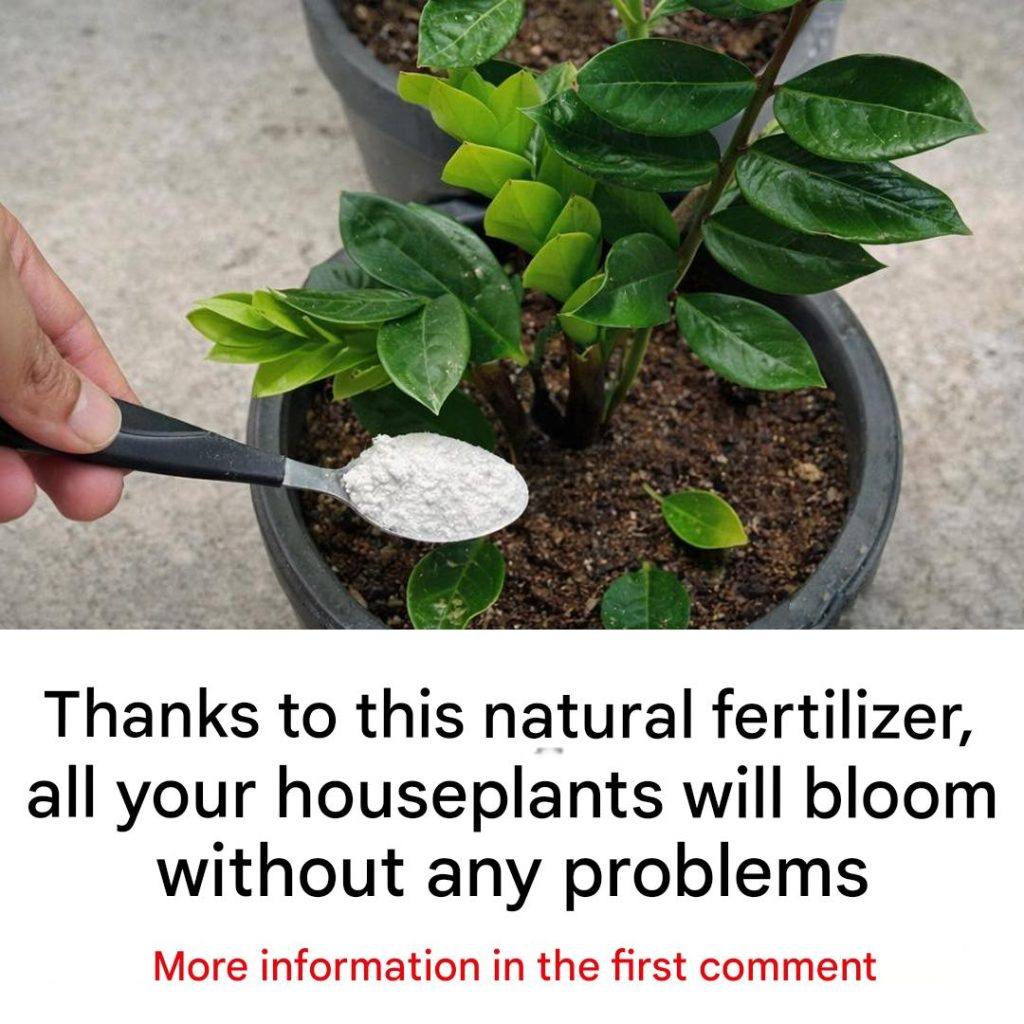
We know it for making cakes rise, deodorizing the refrigerator, or making the sink shine, but baking soda has another, much greener, talent: giving our plants a little boost. You may have already tried everything to get abundant blooms or lush green leaves, without spectacular results… What if the solution was already in your kitchen? Before bringing out the heavy artillery of specialized products, let’s take the time to explore this simple, economical, and surprisingly effective trick, provided you know how to use it properly.
Why bicarbonate can help your plants thrive
The first advantage of baking soda is its slightly alkaline nature. In other words, it can help rebalance overly acidic soil, which is essential for plants to properly absorb the nutrients they need. When the soil is more balanced, the roots function better, much like we do after a good night’s sleep. Another interesting benefit: baking soda is known to reduce the appearance of certain problems related to humidity, particularly those that leave a whitish film on leaves. While not a miracle product, it can therefore contribute to a healthier environment for your plants, especially when used in conjunction with good gardening practices.
How to prepare a simple and gentle solution
You don’t need to be a chemist to make it. The recipe is incredibly simple: dissolve a level teaspoon of baking soda in a liter of lukewarm water, then mix thoroughly until completely dissolved. This preparation is mainly used during the growing season, in spring and summer. You can apply it once a week, either by watering at the base of the plant or by lightly spraying the foliage, always avoiding the hottest hours of the day. The idea isn’t to flood the plants, but to support them, like a gentle, caring ritual.
Flowering, foliage: the benefits you can observe
When used sparingly, baking soda can promote more consistent flowering and noticeably more vigorous plants. A better-balanced soil facilitates the absorption of naturally occurring nutrients, which can result in more buds and longer-lasting blooms. As for foliage, some gardeners notice that the leaves are cleaner and more resilient to everyday wear and tear. We’re talking about support here, not a full-fledged fertilizer: baking soda primarily provides an indirect boost by creating better overall growing conditions.
Essential precautions to avoid missteps
As is often the case in gardening, the key word is moderation. Too high a dose or too frequent application can disrupt the soil balance and weaken the roots. Before treating all your plants, always test it on an inconspicuous area and observe for a few days. Some species are more sensitive than others, especially those that prefer distinctly acidic soils. Bicarbonate is not a substitute for bases either: proper watering, good light exposure, and a regular supply of organic matter remain essential for healthy plants.
Incorporating bicarbonate into a natural routine
Think of baking soda as a supplement, just like compost or mulch. It fits perfectly into a gentler, more respectful, and economical approach to gardening. By regularly observing your plants, you’ll quickly learn to adjust the frequency or take breaks if needed. This silent dialogue with your balcony or garden is often the key to achieving beautiful results without overdoing it.
A simple gesture, a touch of patience and a lot of attention are sometimes enough to transform your green space into a flourishing natural garden .
