
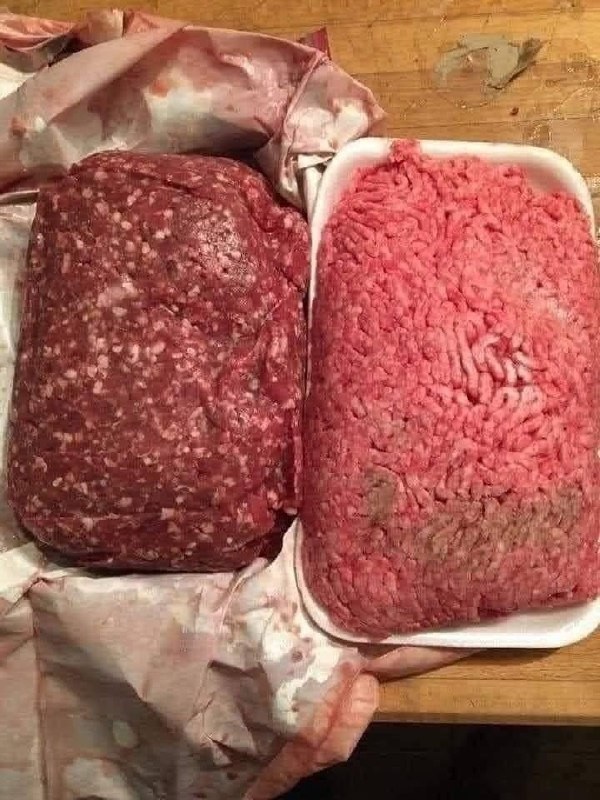
The Hidden Truth About Supermarket Meat: What You Really Need to Know
Don’t be fooled by the meat you see neatly displayed in supermarkets. What you buy is often not as natural or as healthy as it appears. Behind the attractive packaging and bright colors, many meat products are heavily processed and treated with substances that change their real nature.
A large number of processed meat products contain added water, preservatives, salt, flavor enhancers, and chemical additives. These ingredients are not part of pure meat, yet they are used to increase weight, improve appearance, and extend shelf life. As a result, the nutritional value of the meat is reduced, and consumers end up paying for water and additives instead of real protein.
Deceptive Labels and Marketing Tricks
Food labels can be misleading. Words such as “juicy,” “tender,” “premium,” or “farm fresh” are often used as marketing tools rather than indicators of quality. These terms are not always regulated and may simply describe industrially processed meat that has been enhanced to look better, smell better, and last longer.
Brand names and packaging designs also play a role in influencing buyers. Bright colors, images of farms, or claims like “natural” or “traditional” can create a false sense of trust. In reality, the product may come from mass production facilities where meat is injected with solutions of salt and additives to improve texture and appearance.
Mislabeled and Mixed-Origin Meat
In some markets, investigations have revealed cases of mislabeled meat or products made from mixed sources being sold as local or fresh. Meat from different regions or even different animals can be blended and marketed as a single product. This raises serious concerns about transparency, food safety, and consumer rights.
When origin information is unclear, it becomes difficult to know how the animals were raised, what they were fed, or how the meat was handled. This lack of traceability increases the risk of contamination and reduces consumer confidence.
Health Risks of Low-Quality Meat
Consuming large amounts of processed and low-quality meat can have negative effects on health. High levels of salt and preservatives may contribute to high blood pressure, heart problems, and kidney issues. Some additives used in processed meats have been linked to inflammation and long-term health risks when consumed regularly.
In addition, injected water increases the weight of the product but offers no nutritional benefit. This means you are paying more for less actual meat and protein.
How to Make Better Choices
To protect your health, always read ingredient lists carefully. The fewer ingredients listed, the better. Fresh meat should ideally contain only one ingredient: meat. Avoid products with long lists of chemicals, stabilizers, and artificial flavorings.
Whenever possible, buy meat from trusted butchers or local producers who can clearly explain where their meat comes from. Look for clear labeling of origin and avoid products with vague descriptions.
Do not let discounts or attractive brand names guide your decision. Cheap meat often hides poor quality. Investing in better-quality meat means better nutrition, safer consumption, and more honest value for your money.
Conclusion
Not all supermarket meat is bad, but not all of it is honest either. Behind appealing packaging and clever marketing, many products are altered and diluted with substances that reduce their nutritional value. By learning to read labels, choosing reliable sources, and being critical of advertising claims, you can avoid low-quality meat and make smarter, healthier food choices.
Being informed is your best protection at the supermarket.
