
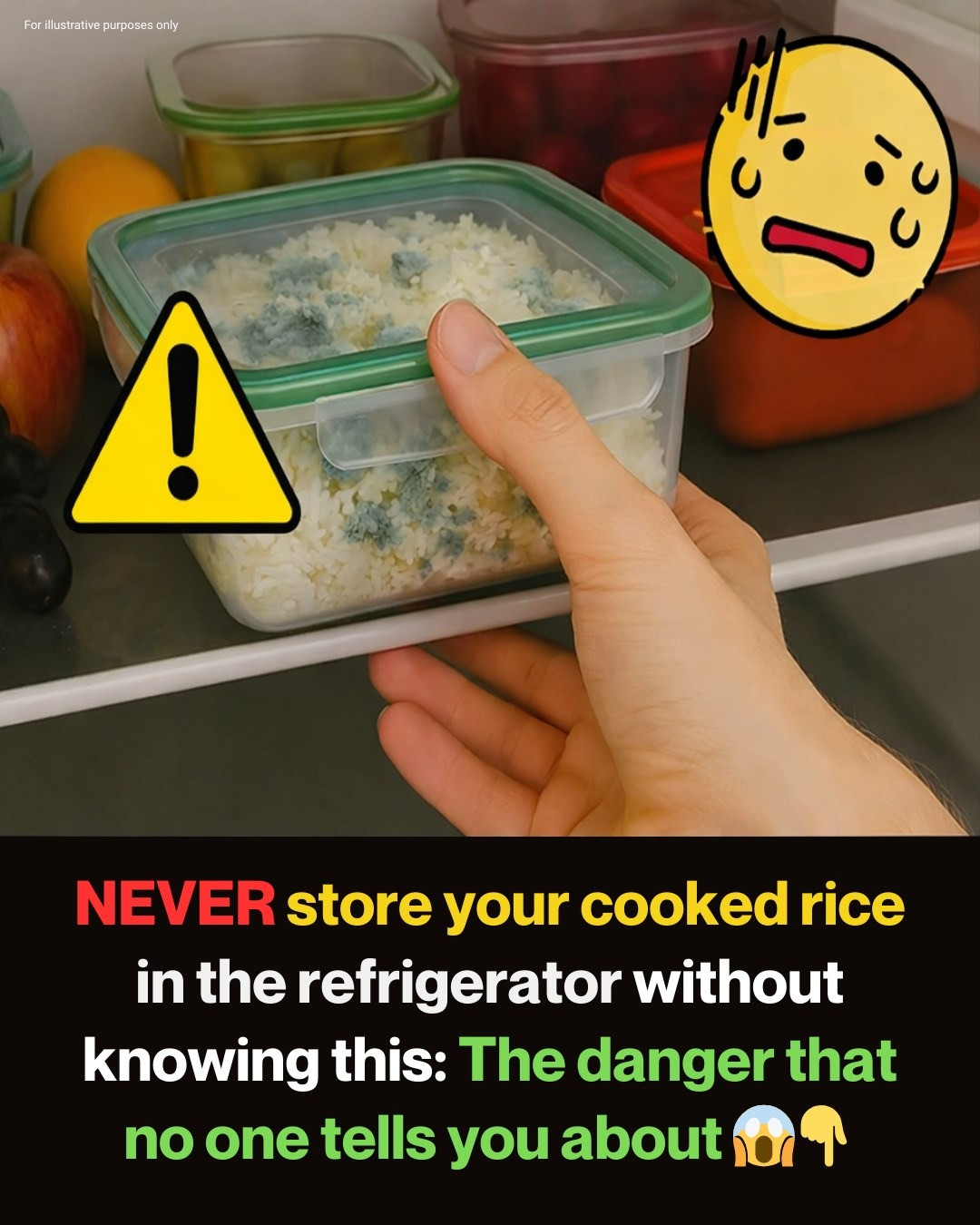
Leftover rice often feels like one of the safest foods to save. It’s plain, simple, and easy to reheat—perfect for tomorrow’s lunch or a quick dinner. But food safety experts warn that when rice is stored the wrong way, it can quickly turn from a harmless staple into a serious health risk. This mistake is so common it even has a name: “fried rice syndrome.”
Many households cook rice in large batches and leave the leftovers for later, assuming refrigeration makes it safe. Unfortunately, rice behaves differently from many other foods. Without proper handling, it can become an ideal environment for dangerous bacteria to grow—sometimes within just a few hours.
For illustrative purposes only
Why Cooked Rice Can Become Dangerous
The problem begins with a bacterium called Bacillus cereus, which naturally exists in soil and can be present on raw rice grains. Cooking rice does not always eliminate these bacteria completely. While the heat kills active bacteria, their spores can survive the cooking process.
If cooked rice is left at room temperature—on the stove, in the rice cooker, or on the counter—for more than an hour, those spores can wake up and multiply rapidly. As they grow, they release toxins that are heat-resistant, meaning reheating the rice later may not make it safe again.
This is what makes fried rice syndrome particularly dangerous: even rice that looks, smells, and tastes normal can still cause illness.
Fast-Onset Food Poisoning Symptoms
Food poisoning caused by contaminated rice often appears much faster than people expect. Symptoms can begin within 1–6 hours after eating and may include:
Nausea and vomiting
Stomach cramps
Fever
Watery or severe diarrhea
Headache and weakness
In more serious cases, dehydration and electrolyte imbalance can develop, especially in children, older adults, pregnant women, and people with weakened immune systems.
Because rice is considered such a “safe” food, many people never suspect it as the cause of their illness and instead blame meat, dairy, or restaurant food.
Even Refrigeration Isn’t a Complete Safeguard
Refrigeration slows bacterial growth—but it does not stop it entirely. If rice is cooled too slowly or placed in the fridge while still hot and tightly packed, bacteria may continue to multiply, just more gradually.
This is why how you store leftover rice is just as important as where you store it. Improper cooling and storage can undo the benefits of refrigeration altogether.
The Safest Way to Store Cooked Rice
Food safety specialists recommend following these steps every time you plan to save leftover rice:
Cool It Quickly: Do not leave rice sitting in the pot or rice cooker. Spread it out on a clean tray or shallow dish to release heat quickly.
Use Shallow, Airtight Containers: Once cooled, transfer rice into shallow, sealed containers. This helps prevent moisture buildup and limits bacterial growth.
Refrigerate Within One Hour: Place the rice in the refrigerator as soon as possible—ideally within 60 minutes of cooking.
Consume Within 24–48 Hours: The fresher the rice, the safer it is. Avoid keeping cooked rice for more than two days in the fridge.
Freeze for Longer Storage: If you don’t plan to eat it soon, freezing is a safer option. Properly stored frozen rice can last up to six months with minimal quality loss.
Reheating Rules You Shouldn’t Ignore
When reheating leftover rice:
Heat it until it reaches an internal temperature of 165°F (74°C)
Make sure it is steaming hot all the way through
Stir during reheating to eliminate cold spots
Important: Never reheat rice more than once. Each reheating cycle increases the risk of bacterial growth and toxin production.
Remember, reheating may kill bacteria—but it cannot destroy all toxins. Safe storage is always the most important step.
Final Takeaway
Rice may be a simple, everyday food, but improper storage can turn it into a surprising source of foodborne illness. By cooling it quickly, storing it properly, and reheating it safely, you dramatically reduce the risk of fried rice syndrome.
Sometimes, it’s the smallest kitchen habits—ones we rarely think about—that make the biggest difference in protecting your family’s health.
