
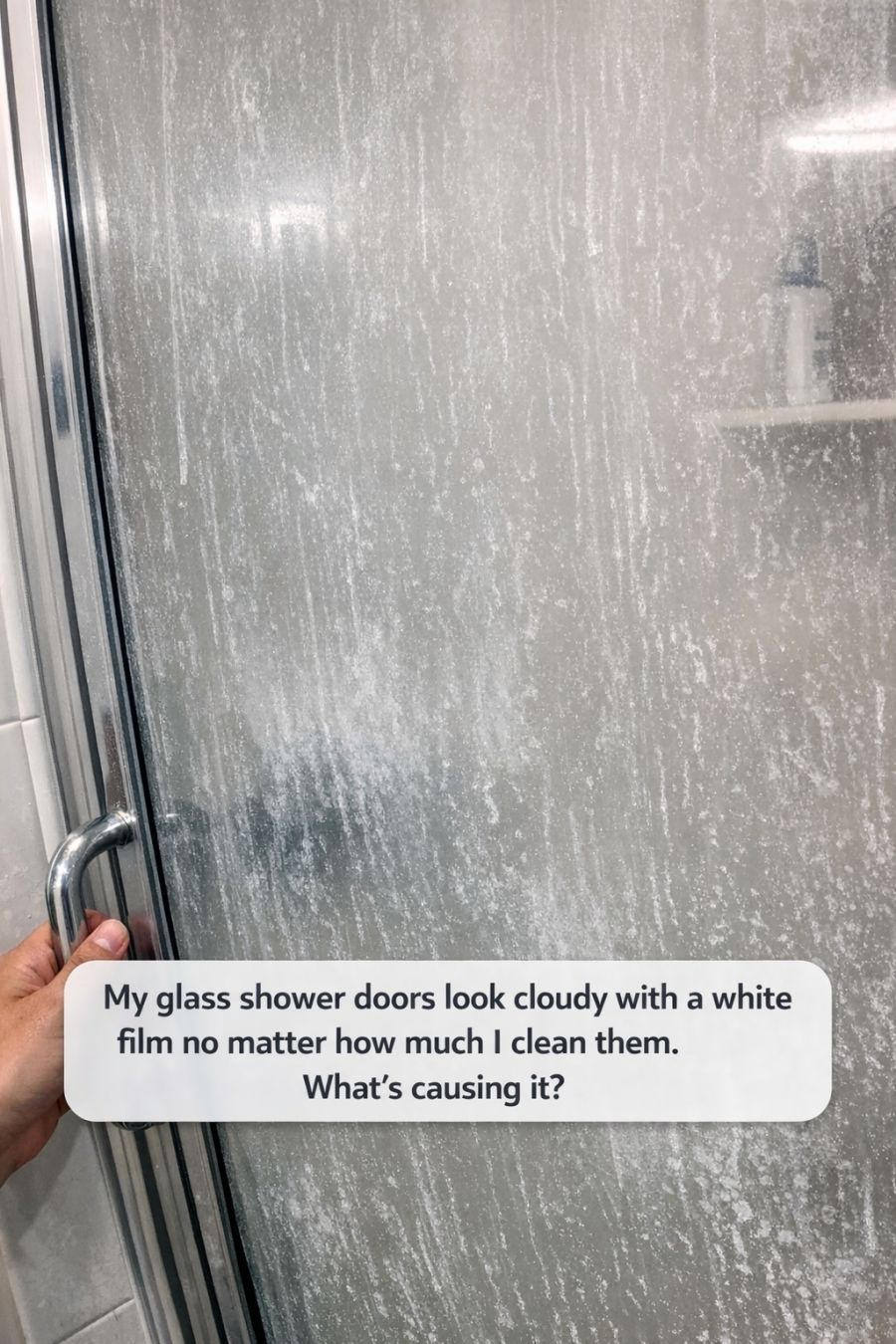
You step into your bathroom, ready to start or end your day, but your gaze is drawn to the shower doors that seem perpetually cloudy despite your best cleaning efforts. The gleam of the glass is obscured by a persistent white film that refuses to budge. It’s a common frustration shared by many homeowners, and understanding the root causes is the first step to restoring clarity.
Cloudy shower doors are more than just an aesthetic issue; they can also be indicative of underlying problems such as mineral deposits, soap scum, or even damage to the glass itself. This article aims to explore the various factors that contribute to this unsightly problem, offering insights and solutions along the way.
1. Hard Water Mineral Buildup: The Most Common Culprit
The most frequent cause of cloudy glass shower doors is hard water. Hard water contains high concentrations of minerals, particularly calcium and magnesium, which can leave deposits on surfaces they come into contact with. When water evaporates from the surface of your shower doors, these minerals are left behind, forming a cloudy, white film.
To put this into perspective, if your water has a hardness of 10 grains per gallon (gpg), it can leave behind over 200 pounds of scale per year in a typical household. These mineral deposits can be stubborn and difficult to remove, often requiring specific cleaners or even professional descaling treatments.
2. How Soap Scum Teams Up With Minerals To Create White Film
Soap scum is another common contributor to the cloudy appearance of shower doors. It forms when soap mixes with hard water minerals, body oils, and dirt. This combination creates a sticky, opaque film that adheres to glass surfaces.
Soap scum is particularly tenacious because it combines the water-repelling properties of soap with the bonding nature of mineral deposits. This can make it resistant to regular cleaning methods. A solution of equal parts white vinegar and water can be effective in breaking down soap scum, as vinegar is acidic and can dissolve mineral deposits.
3. Etched Glass: When The Cloudiness Is Actually Permanent Damage
In some cases, the cloudiness on glass shower doors is not due to surface buildup but rather permanent etching. Etched glass occurs when mineral deposits are left on the glass for extended periods and chemically interact with it, causing microscopic abrasions.
Once etching has occurred, the glass may appear permanently cloudy. Unfortunately, this damage cannot be reversed through simple cleaning. In severe cases, the only solution might be replacing the glass or covering it with a new protective coating.
4. Residue From Harsh Cleaners That Leaves Glass Looking Hazy
Ironically, the very products used to clean glass can sometimes contribute to its cloudiness. Harsh cleaners and abrasive scrubbers can leave behind residues or even create micro-scratches on the surface of the glass, which scatter light and make the glass appear hazy.
It’s important to use cleaners specifically formulated for glass and to follow the manufacturer’s instructions. Avoid using highly acidic or alkaline products unless they are recommended for glass surfaces, as they can leave behind a film or damage the glass.
5. Silicone, Grout, And Sealant Runoff Streaking Your Glass
Sometimes, the materials used in the installation of your shower can contribute to the cloudy appearance. Silicone, grout, and sealants can streak or drip onto the glass, leaving behind a film as they cure or age.
Regular maintenance of these materials is important. Ensure that any excess is cleaned off immediately during installation, and check periodically to make sure they are not degrading and running onto the glass.
6. Poor Ventilation And Humidity Trapping Deposits On The Door
A bathroom with poor ventilation can exacerbate issues with cloudy shower doors. High humidity levels prevent water from evaporating quickly, allowing more time for mineral deposits and soap scum to form on the glass.
Improving ventilation by installing an exhaust fan or keeping a window open can help reduce humidity, allowing water to evaporate more quickly and reducing the chances of buildup.
