
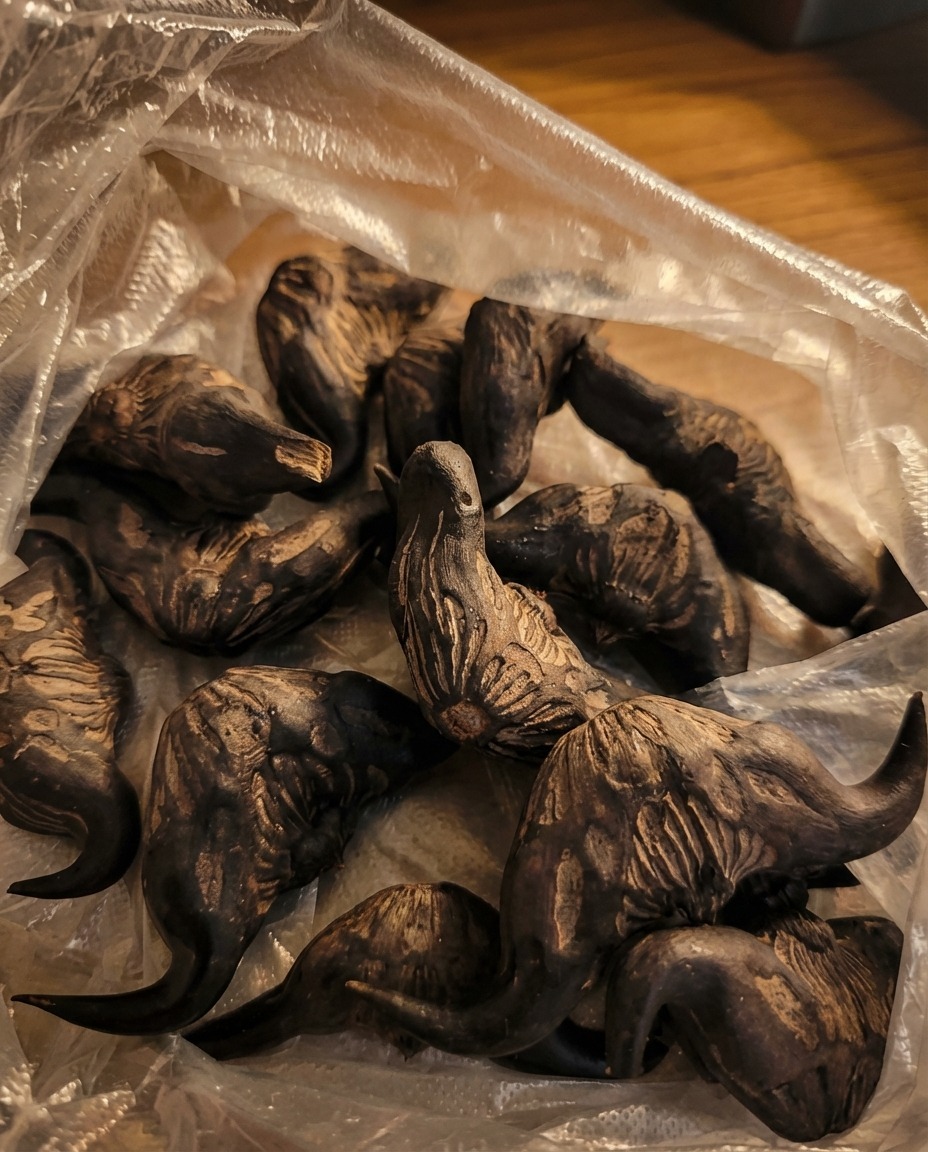
It starts innocently enough.
A neighbor you’ve never really spoken to hands you a paper bag.
A friend-of-a-friend drops something off “from their garden.”
Someone at a local market slips an extra item into your purchase and says, “Trust me.”
Inside is something unfamiliar.
Not quite fruit. Not quite vegetable. Definitely food—but not something you recognize.
In moments like these, curiosity battles caution. Is this a rare delicacy? A cultural staple you’ve never encountered? Or something you should quietly thank them for… and never eat?
Surprisingly often, a stranger’s gift really can turn out to be delicious—if you know how to identify it properly and handle it safely.
This is the story of how unfamiliar food travels between people, why it matters, and how to figure out whether that mysterious gift belongs on your plate or in the compost.
Why Strangers Give Food in the First Place
Across cultures, food is one of the oldest forms of connection.
People give food to:
Share abundance from gardens or harvests
Pass down cultural traditions
Reduce waste
Show kindness without words
Introduce others to flavors they love
What feels strange or risky to one person may be completely ordinary to another.
That doesn’t mean you should eat something blindly—but it does mean unfamiliar doesn’t equal dangerous.
The First Rule: Never Eat What You Can’t Identify
Let’s get this out of the way early.
No matter how charming the giver or how good it smells:
If you cannot confidently identify a food item, you should not eat it.
This applies especially to:
Wild plants
Mushrooms
Roots or tubers
Fermented foods without labels
Many edible foods have toxic look-alikes. Guessing is not adventurous—it’s risky.
Curiosity is good. Assumption is not.
Step One: Ask (When You Can)
If the gift came directly from someone, your best resource is right in front of you.
Simple questions go a long way:
What is it called?
How do you usually eat it?
Is it cooked or raw?
Where did it come from?
Are there any allergies to know about?
Most people are happy—sometimes excited—to explain.
If they can’t answer basic questions, that’s a sign to slow down.
Step Two: Observe Carefully
Before tasting anything, take time to really look.
Ask yourself:
Is it a fruit, vegetable, grain, or prepared food?
Does it resemble something familiar?
Is the texture natural or processed?
Is there any sign of spoilage?
Red flags include:
Mold (beyond intentional fermentation)
Strong chemical or rotten smells
Excessive slime or discoloration
Active bubbling when not fermented intentionally
A delicious food should never require you to ignore warning signs.
Step Three: Identify Using Reliable Sources
If the giver isn’t available—or if you want confirmation—identification is essential.
Good tools include:
Plant identification books
Reputable food or foraging websites
University extension resources
Local gardening or cultural food groups
Photos alone are not enough. Look for:
Multiple matching characteristics
Clear edible confirmation
Preparation methods
If sources disagree or information is vague, don’t eat it.
Special Caution: Wild and Foraged Foods
Many “mystery gifts” turn out to be:
Backyard fruits
Garden vegetables
Foraged greens
Homegrown herbs
These can be wonderful—but they carry extra responsibility.
Some edible plants are only safe:
At certain growth stages
When cooked
When prepared in specific ways
Others are edible in one form and toxic in another.
If wild foraging is involved and you are not experienced, err on the side of safety every time.
Prepared Foods: A Different Kind of Mystery
Sometimes the gift isn’t raw—it’s cooked, baked, or fermented.
This introduces different questions:
How was it prepared?
How long has it been stored?
Was it refrigerated properly?
Does it contain common allergens?
Homemade foods can be delicious and meaningful—but food safety still matters.
If you’re unsure about storage conditions or ingredients, it’s okay to admire without eating.
