
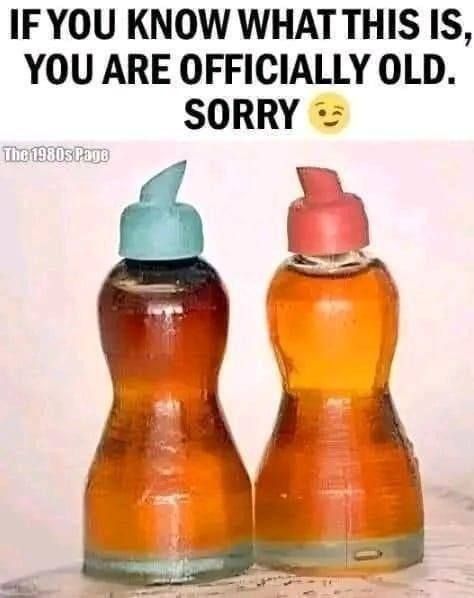
Take a look at this object.
Maybe it’s a chunky plastic cassette tape with spools of brown magnetic ribbon. Maybe it’s a rotary phone with a tangled cord. Maybe it’s a floppy disk, a VHS tape, a Tamagotchi, or a metal ice cube tray you had to twist to release the cubes.
If you immediately know what it is — not from a museum, not from a retro-themed café, but from real-life use — congratulations.
You’re officially vintage.
But before you protest, let’s clarify something: “vintage” isn’t old. It’s seasoned. It’s classic. It’s culturally significant. It means you lived through a version of the world that no longer exists — and you remember it firsthand.
And that’s powerful.
The Object as a Time Machine
Objects hold memory in a way photos sometimes can’t.
You don’t just recognize a cassette tape — you remember the sound it made when it clicked into a Walkman. You remember fast-forwarding with a pencil to fix tangled ribbon. You remember recording songs off the radio and praying the DJ wouldn’t talk over the intro.
That object isn’t just plastic.
It’s a portal.
The rotary phone isn’t just outdated hardware — it’s the memory of dialing slowly, finger slipping through each hole, waiting for the wheel to spin back. It’s memorizing phone numbers because you had to. It’s conversations that couldn’t be multitasked.
These objects don’t just signal age.
They signal experience.
When Technology Was Tangible
One of the defining features of “vintage knowledge” is tactile familiarity.
You didn’t swipe — you pressed.
You didn’t stream — you loaded.
You didn’t upload — you waited.
There was weight to things.
A camcorder rested heavily in your hands. A Game Boy needed batteries. A desktop computer hummed and took minutes to boot. The internet made that unmistakable dial-up sound that announced to the whole house: “Don’t pick up the phone!”
Technology was slower — but it felt physical. Mechanical. Audible.
You understood how it worked because you had to.
You knew that if the TV signal got fuzzy, adjusting the rabbit-ear antenna might fix it. You knew rewinding a VHS tape before returning it was basic decency.
If you know those details without Googling them, you’re vintage — and proud of it.
The Pre-Digital Social Life
If you recognize certain objects, you also recognize a different rhythm of life.
A disposable camera meant waiting days to see your photos. There were no previews. No filters. No deleting the bad ones. What you captured was what you got.
A mixtape meant someone sat beside a radio or stereo system for hours, curating songs in real time. It was intentional. Thoughtful. Personal.
A handwritten letter meant effort.
Today’s world is faster, more efficient, more connected. But it’s also less tactile. Less delayed. Less mysterious.
When you grew up with these objects, you grew up in a world where anticipation was built into daily life.
And that shapes you.
The Soundtrack of Vintage
Some objects don’t just look familiar — they sound familiar.
The snap of a flip phone closing.
The click of a Polaroid camera ejecting a photo.
The clack of a typewriter key striking paper.
The whirring rewind of a cassette tape.
These sounds are embedded in muscle memory.
For younger generations, they’re novelty effects on social media. For you, they’re background noise from childhood or early adulthood.
That difference isn’t about superiority.
It’s about lived context.
You remember when these sounds were normal.
The Cultural Markers
Knowing a vintage object often means you remember the culture around it.
If you know a pager, you remember numeric codes and payphones.
If you know floppy disks, you remember computer labs and saving files manually.
If you know Blockbuster cards, you remember late fees and Friday night debates in the aisles.
These objects were anchors in shared experiences.
They shaped routines.
Friday nights meant renting movies.
Road trips meant atlases, not GPS.
School research meant encyclopedias, not search engines.
The world felt smaller — but sometimes more focused.
