
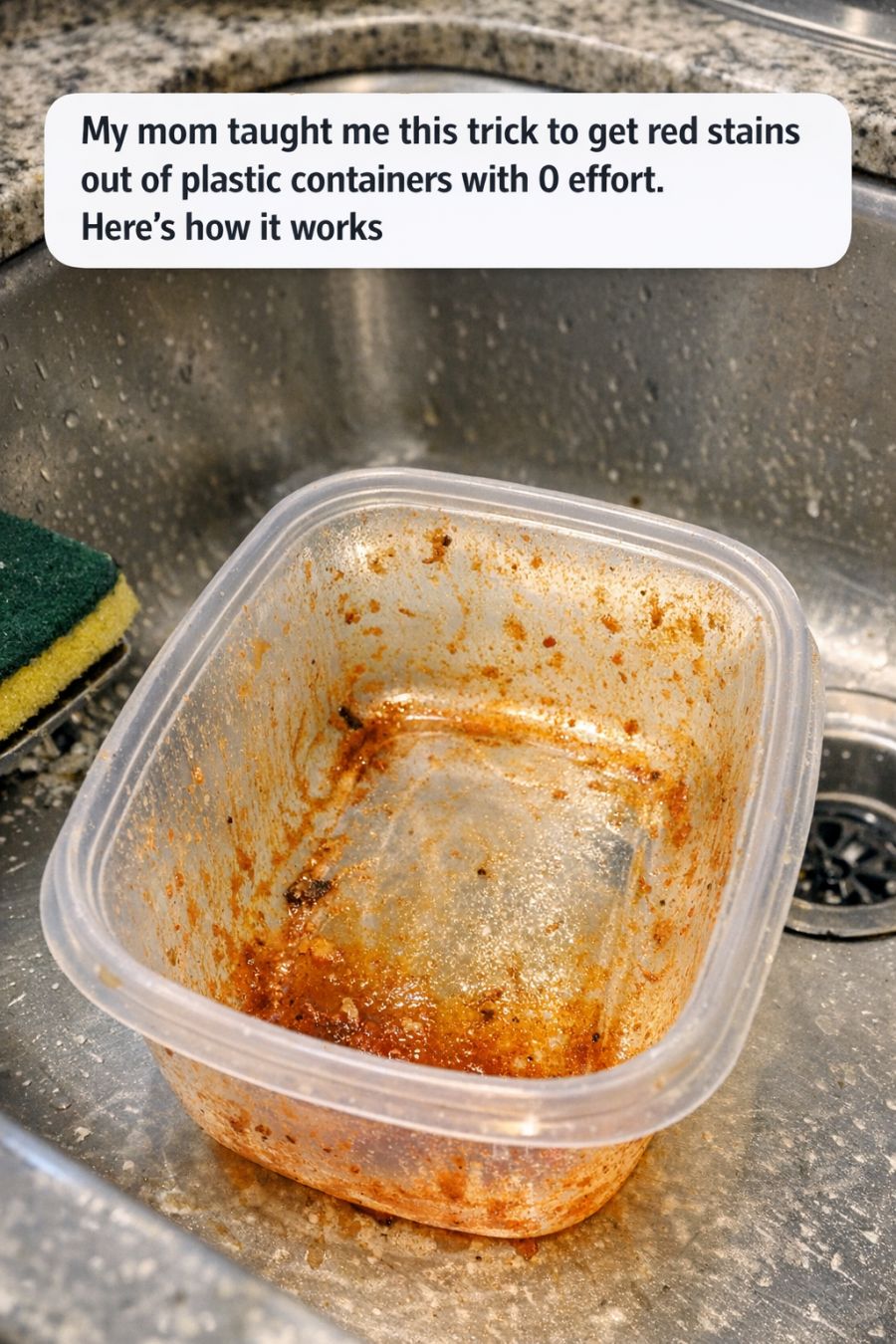
1. The Surprising Problem With Red Stains on Plastic
Red stains on plastic containers are a common issue, especially when dealing with tomato-based sauces and curry dishes. These substances are notorious for leaving behind a distinct red hue that seems to embed itself into the plastic. The primary culprit is the presence of lycopene in tomatoes and other natural pigments in spices, which are oil-soluble and cling to the plastic surface.
Plastic is porous by nature, which means it has tiny openings that can absorb colorants from foods. Even when we wash our containers thoroughly, these pigments can remain trapped in the microscopic pores, leaving behind a stain that seems impossible to eradicate. This is particularly true for older containers that have been through several cycles of heating and cooling, expanding the pores further and making them more susceptible to staining.
2. The One-Ingredient Trick My Mom Swears By
The magic ingredient my mom uses to banish red stains is none other than baking soda. This humble kitchen staple is known for its mild abrasiveness and natural whitening properties, making it ideal for lifting stains without damaging the surface of the plastic.
To use baking soda, simply sprinkle a generous amount directly onto the stained areas of the container. There’s no need to measure precisely, but you’ll want enough to cover the stained spots thoroughly. The next step involves a bit of patience, which we’ll discuss further in the following sections.
3. Why This Method Works on Stubborn Tomato and Curry Stains
Baking soda works on red stains because of its mild abrasive quality and alkaline nature. The abrasiveness helps to gently scrub away the surface layer of the stain without scratching the plastic, while the alkalinity of baking soda neutralizes the acids in tomato-based sauces, making the stains easier to lift.
Moreover, when mixed with a small amount of water, baking soda forms a paste that can reach into the pores of the plastic, effectively breaking down the pigments and pulling them away. This dual action of physical abrasion and chemical reaction is what makes this method so effective against stubborn tomato and curry stains.
4. Step-by-Step: How to Use the Trick With Zero Scrubbing
To use this trick, start by rinsing your stained container with warm water. This helps to remove any loose debris and preps the surface for the baking soda treatment. Next, sprinkle a liberal amount of baking soda over the stained areas. If the stains are particularly deep, you can add a few drops of water to create a paste.
Once the baking soda is applied, simply let the container sit. There’s no need for scrubbing or any additional effort on your part. The baking soda will do the work for you, lifting the stains over time. After the waiting period, which we’ll cover next, rinse the container thoroughly with warm water and dry it with a clean towel.
5. How Long to Let It Sit for the Best Results
For optimal results, let the baking soda sit on the stains for at least 15 to 30 minutes. This gives the baking soda ample time to penetrate the stains and break them down. If the stains are particularly stubborn, you can leave the baking soda on for up to an hour.
During this time, you can go about your day without worrying about your containers. The extended duration allows the baking soda to work its magic, ensuring that even the most persistent stains are lifted by the time you rinse the container.
6. The Science Behind Stain-Grabbing Oils and Sauces
The reason why oils and sauces stain plastic so effectively is due to their chemical composition. Many oils and sauces contain lipids and pigment molecules that are hydrophobic, meaning they repel water but bond well with other non-water-soluble materials, like the polymers in plastic.
When these substances come into contact with the plastic, they seep into the material’s pores and stick, making them difficult to remove with water alone. Baking soda, with its unique properties, interacts with these oils and pigments differently, breaking the bonds and allowing them to be washed away.
7. What Kind of Plastic Containers This Works Best On
This baking soda trick works best on containers made from high-density polyethylene (HDPE) and polypropylene (PP), which are common in kitchenware due to their durability and resistance to heat. These plastics have pores that can trap stains, making them ideal candidates for this method.
However, this method can also be effective on other types of plastic, provided they are not overly scratched or degraded. It’s always a good idea to test a small, inconspicuous area first if you’re unsure about the material.
8. Common Mistakes That Make Red Stains Even Worse
One common mistake is using harsh scrubbers or abrasive cleaners that can scratch the surface of the plastic, making future stains even more difficult to remove. Another mistake is using hot water or dishwashers with high temperatures that can warp the plastic and open up the pores further.
