
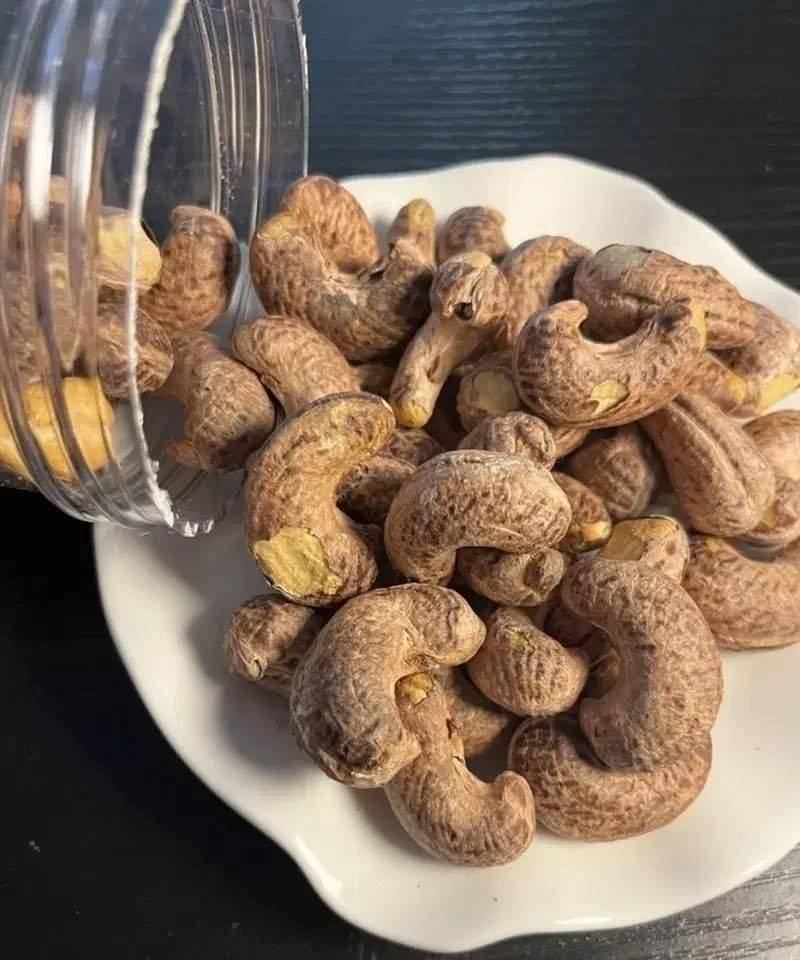
But before you toss your cashews in the trash—let’s separate fact from fear-based fiction. The truth is, cashews are a nutrient-rich, heart-healthy nut with many benefits. However, like all foods, they can pose risks in specific situations—mostly for people with allergies or certain medical conditions. Snack Foods
Here’s what doctors and dietitians actually say:
✅ What Cashews Actually Do (The Good News)
Cashews are packed with:
Healthy monounsaturated fats – support heart health
Magnesium – essential for muscle, nerve, and bone function
Copper & zinc – boost immunity and skin health
Plant-based protein & fiber – promote fullness and gut health
Antioxidants – help fight inflammation
Studies show that regular nut consumption (including cashews) is linked to lower risk of heart disease, type 2 diabetes, and even improved weight management when eaten in moderation.
⚠️ When Cashews Might Cause Issues (Rare & Specific)
1. Allergic Reactions (Most Serious Risk)
Why: Cashews are a tree nut, and tree nut allergies are common, often lifelong, and can be severe.
Symptoms: Hives, swelling, vomiting, difficulty breathing, anaphylaxis.
Action: If you have a known nut allergy, avoid cashews completely. Always read labels—cashews hide in sauces, vegan cheeses, and Asian dishes.
2. Digestive Discomfort (in Sensitive Individuals)
Why: Cashews contain FODMAPs (fermentable carbs) and fat, which can cause bloating or gas in people with IBS or sensitive digestion.
Solution: Stick to small portions (¼ cup or less) and pair with other foods.
3. Kidney Stones (For At-Risk Individuals)
Why: Cashews contain oxalates, which can contribute to calcium-oxalate kidney stones in susceptible people.
Note: This only matters if you’ve had oxalate stones before.
Solution: Stay well-hydrated; limit intake to 1–2 servings/week if advised by a urologist.
4. Weight Gain (Only with Overconsumption)
Why: Cashews are calorie-dense (160–180 cal per ¼ cup).
Reality: Studies show nut eaters don’t gain more weight—they feel fuller longer and absorb fewer calories from other foods.
Solution: Stick to a small handful (about 18 cashews) as a snack.
Discover more
health
Herbs & Spices
Nutrition
❌ Myths Debunked
“Raw cashews are toxic” → True! But all “raw” cashews sold in stores are steamed to remove urushiol (a toxin in the shell). You’re safe.
“Cashews cause acne” → No strong evidence. Diets high in sugar/dairy are bigger culprits.
“Cashews raise cholesterol” → False! They lower LDL (“bad”) cholesterol due to healthy fats.
❤️ The Bottom Line
For most people, cashews are a healthy, delicious food—not a danger.Medical Facilities & Services
The idea that “doctors warn against cashews” is almost always misinformation, clickbait, or taken out of context. Unless you have a tree nut allergy, kidney stone history, or IBS, there’s no reason to avoid them.
In fact, adding a small daily portion of cashews to your diet may support your heart, brain, and metabolism.
“Eat your nuts. Your future self will thank you.” 🌰✨
If you have a specific health condition, talk to your doctor or a registered dietitian—they’ll give you personalized advice, not fear-based headlines.
