
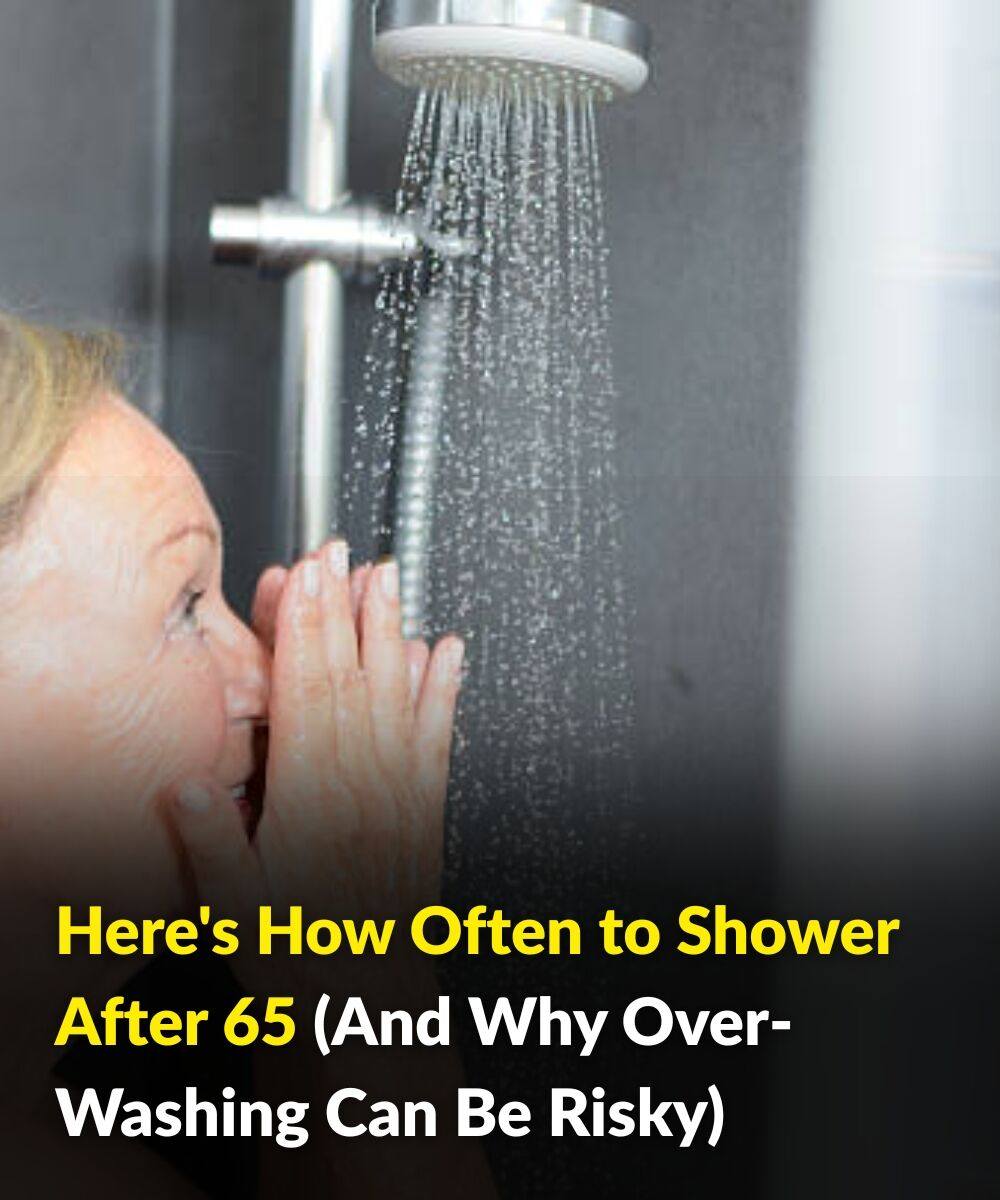
From a certain age, even the most routine actions deserve careful thought. One of the simplest—taking a shower—could actually be harming your skin without you realizing it. What if we told you that after 65, you shouldn’t shower every day? Surprising, right? But it’s a recommendation backed by experts.
Why Skin Changes with Age
A Body That Grows, Skin That Refines
As we age, our skin loses some of its natural strengths. Collagen, elastin, and sebum—the elements that keep our skin firm, supple, and protected—gradually decrease.
Think of the skin barrier like a knight’s shield: over time, it becomes thinner and more fragile. External aggressors such as pollution, cold, and chemicals can penetrate more easily. And believe it or not, showering too frequently can actually make this worse.
Too Many Showers = Drying Out Your Skin
Hot Water and Harsh Soaps Can Harm Mature Skin
Showering feels good—refreshing, energizing, even ritualistic. But when the water is too hot and the products too harsh, we strip away more than just dirt: we damage the skin’s natural protective layer.
For people over 65, this can cause redness, tightness, itching, and even minor infections. Over-washing also disrupts the skin’s microbiome—the invisible layer of good bacteria that helps protect against harmful microbes.
The Ideal Frequency: 2 to 3 Showers Per Week
The Ideal Frequency: 2 to 3 Showers Per Week
Less Is More
Experts agree: for mature skin, limiting showers to 2 or 3 times a week is ideal. This is enough to maintain hygiene while preserving your skin’s natural moisture.
This approach is already widely used in healthcare settings for people with fragile skin. It’s a gentle yet effective way to stay clean—think of it like maintaining a car regularly rather than over-washing it every day.
The Right Habits in the Shower
Choosing the Right Products Makes a Big Difference
When you do shower, keep these tips in mind:
Use warm, not hot, water
Choose gentle, moisturizing soaps or soap-free shower gels formulated for sensitive skin
Keep showers short—around 5 minutes
Pat yourself dry instead of rubbing
And most importantly: moisturize after every shower. A nourishing cream helps restore the protective barrier affected by water.
In Conclusion: Caring for Your Skin Is Self-Care
At any age—but especially after 65—your skin deserves gentleness, attention, and protection. Adjusting your hygiene habits isn’t about giving up cleanliness; it’s about understanding what your body really needs and giving it the care it deserves.
