
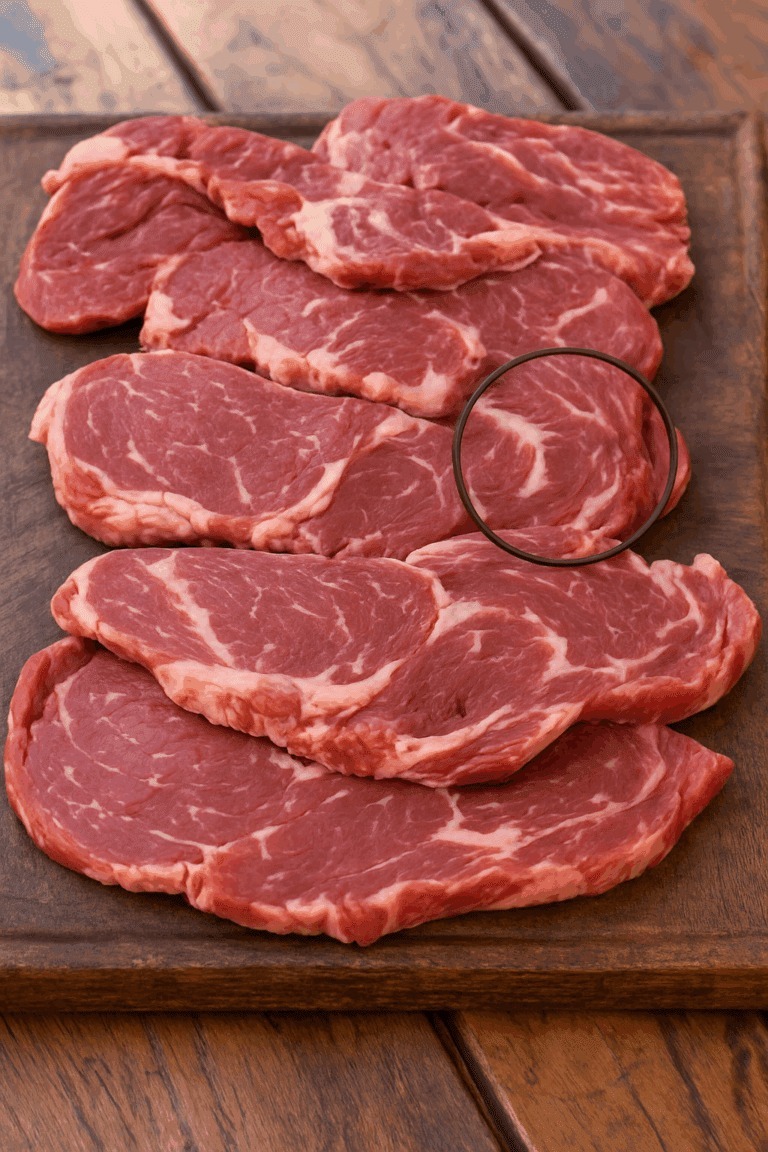
How to Buy the Best Quality Meat: 11 Things to Look Out for When Buying Meat
Buying meat sounds simple—walk into a store, pick a cut, pay, and leave. But if you’ve ever been disappointed by tough steaks, watery chicken, or meat that spoils faster than expected, you already know that not all meat is created equal.
The quality of meat you buy affects everything: flavor, tenderness, nutrition, food safety, and even how ethical and sustainable your meals are. Knowing what to look for can save you money, improve your cooking results, and help you make healthier choices for yourself and your family.
Whether you’re shopping at a supermarket, butcher shop, or farmers’ market, here are **11 essential things to look out for when buying the best quality meat**.
—
1. Color: The First Sign of Freshness
Color is one of the easiest indicators of meat quality, but it’s also one of the most misunderstood.
* **Beef** should be bright cherry red. Dark brown or gray patches can indicate oxidation or aging beyond its prime.
* **Lamb** should have a pinkish-red tone, not dull or brown.
* **Pork** should be pale pink. Very dark pork may be tough, while gray pork is a red flag.
* **Chicken** should be light pink with no gray, green, or yellow discoloration.
Keep in mind that vacuum-sealed meat may look darker at first due to lack of oxygen. Once exposed to air, it should “bloom” into a healthy color within minutes.
—
2. Smell: Trust Your Nose
Fresh meat should smell clean and neutral—or slightly metallic in the case of beef. A strong, sour, sulfur-like, or “rotten egg” smell is a clear sign to walk away.
Even if meat looks fine visually, an unpleasant odor usually means bacterial growth has already begun. When in doubt, don’t buy it. No discount is worth the risk.
—
3. Texture: Firm, Not Slimy
Touch matters (when allowed). High-quality meat should feel:
* **Firm and elastic**, not mushy
* **Moist, but not slimy or sticky**
If meat leaves a residue on your fingers or feels slippery, it’s likely past its prime. Sliminess is a common indicator of spoilage, especially in poultry and fish.
4. Marbling: Flavor Lives in the Fat
Marbling refers to the thin streaks of fat running through the muscle, especially important when buying beef.
* More marbling = more flavor and tenderness
* Even distribution of fat is better than large chunks on the edges
Cuts like ribeye, strip steak, and chuck benefit greatly from good marbling. Leaner cuts (like tenderloin) rely more on cooking technique, but some marbling is still a bonus.
Don’t fear fat—when balanced correctly, it’s what makes meat juicy and satisfying.
—
5. Cut and Butchery Quality
A well-cut piece of meat is a sign of skilled butchery and care.
Look for:
* Clean, smooth edges
* Consistent thickness
* No excessive tearing or ragged surfaces
Poorly butchered meat can cook unevenly and lose moisture faster. If possible, buy from a butcher who can explain where the cut comes from and how best to cook it.
—
6. Packaging: What’s Protecting Your Meat?
Packaging plays a huge role in meat quality and shelf life.
* **Vacuum-sealed packaging** preserves freshness longer by limiting oxygen exposure.
* **Overwrapped foam trays** (common in supermarkets) are more prone to leaks and faster spoilage.
* Avoid packages with **excess liquid**, which can indicate older meat or improper storage.
Also, check that the packaging is intact—no tears, loose seals, or bloating.
—
7. Labels and Certifications: Read Between the Lines
Meat labels can be confusing, but some are worth paying attention to:
* **Grass-fed / Grass-finished**: Often leaner with a stronger flavor, especially for beef.
* **Free-range / Pasture-raised**: Indicates better living conditions for animals.
* **Organic**: No synthetic hormones or antibiotics; stricter feed standards.
* **No added hormones or antibiotics**: Important for long-term health and peace of mind.
Be cautious of vague marketing terms like “farm fresh” or “natural,” which may not be regulated.
