
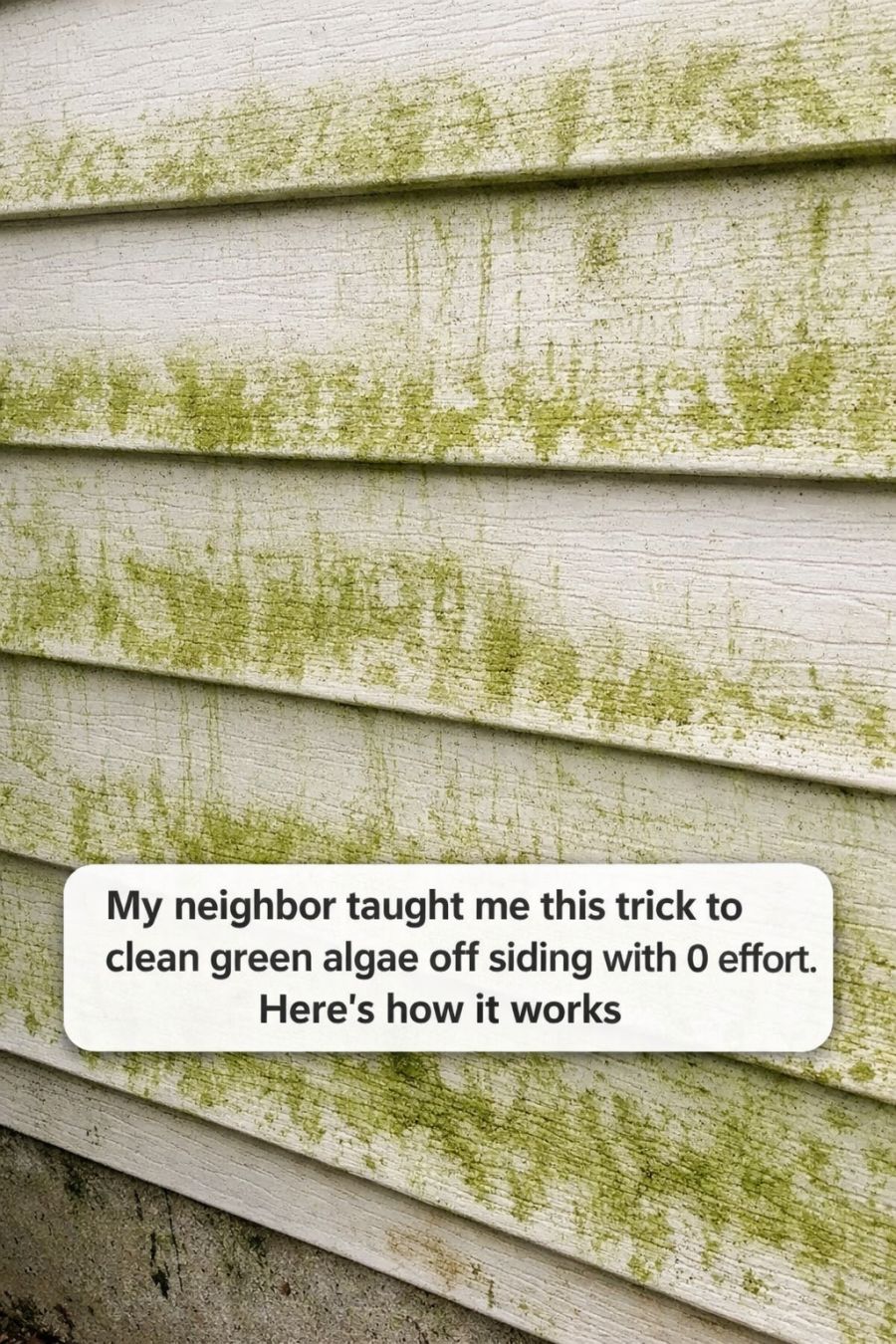
1. The Surprising No-Scrub Trick My Neighbor Shared
The trick my neighbor shared was surprisingly simple and relied on a combination of common household products. Instead of scrubbing or using expensive cleaning agents, the secret was in using a specific mixture that could be sprayed onto the siding. This mixture would kill the algae and loosen its grip on the surface.
My neighbor recommended using a garden sprayer to apply the solution, which meant there was no need for ladders or getting up close and personal with the siding. The real magic happened when the solution was left to sit, allowing it to work its way into the algae, breaking it down without any physical effort required.
2. Why Green Algae Loves Vinyl And Painted Siding
Green algae thrives in damp, shady environments, which makes the north side of your house, or areas under large trees, prime real estate. Vinyl and painted siding can often trap moisture, providing the perfect breeding ground for algae. These materials tend to hold onto water longer than other surfaces, allowing algae spores, which are always present in the air, to settle and grow.
As the algae grows, it feeds off the moisture and any organic material present on the siding, leading to those unsightly green patches that are so common. Understanding this helps in preventing algae growth by reducing moisture retention on your siding.
3. The Simple Cleaning Cocktail: What You Actually Need
The cleaning cocktail is incredibly simple to make and only requires a few ingredients that you likely already have at home. The main components are water, white vinegar, and a small amount of dish soap. The acidity in the vinegar helps to kill the algae, while the dish soap acts as a surfactant, helping the solution spread evenly and stick to the siding.
To create the mixture, you’ll need about 1 gallon of water, 1 cup of white vinegar, and a tablespoon of dish soap. This combination is effective at breaking down the algae without causing damage to your siding.
4. Exact Mixing Ratios So You Don’t Damage Your Siding
While the cleaning cocktail is generally safe for most types of siding, it’s important to get the ratios right to avoid any potential damage. Using too much vinegar can be harsh on some painted surfaces, so sticking to the recommended 1 cup of vinegar per gallon of water is crucial.
If you have particularly delicate siding or are concerned about the paint, you can test a small, inconspicuous area first to ensure there is no adverse reaction. Adjust the mixture slightly if needed, but generally, this ratio is safe and effective.
5. How To Apply The Solution Without Ladders Or Scrubbing
Using a garden sprayer, apply the solution to the affected areas of your siding. Start from the bottom and work your way up to ensure even coverage. The sprayer’s reach means you don’t need a ladder, which makes the process much safer and more convenient.
Make sure to saturate the algae-covered areas thoroughly. The key is to apply enough solution that it can soak into the algae and begin breaking it down. This is where the magic of ‘no-scrub’ really happens.
6. The ‘Let It Sit’ Step That Does All The Hard Work
Once the solution has been applied, the next step is to let it sit. This is perhaps the most critical part of the process. Allow the solution to remain on the siding for at least 20 to 30 minutes. During this time, the vinegar and soap mixture works to break down the algae’s structure.
This is where patience pays off. Resist the urge to start scrubbing or rinsing too early. The longer you allow the solution to sit, the more effective it will be. Some homeowners have found that letting it sit for up to an hour yields even better results, especially for heavy algae growth.
7. Rinsing It All Away: When The Algae Practically Falls Off
After the waiting period, it’s time to rinse away the solution. Using a garden hose with a spray nozzle, simply rinse the siding starting from the top and working your way down. You’ll be amazed at how the algae practically falls off the siding.
The gentle pressure from the hose is usually sufficient to remove the loosened algae, leaving your siding looking clean and fresh. For particularly stubborn spots, a second application and rinse may be necessary, but in most cases, a single treatment will suffice.
8. Safety Rules: Protecting Plants, Pets, And Your Paint
While the cleaning cocktail is relatively mild, it’s still important to take precautions to protect your plants, pets, and any delicate paintwork. Before applying the solution, wet down any plants near the base of your house to minimize the absorption of the solution.
Keep pets away from the area until it is thoroughly rinsed and dried. If you have sensitive paint, consider testing a small area first, as mentioned previously, to ensure no damage occurs.
9. How Long The Results Last And When To Repeat The Trick
The results of this cleaning method can last anywhere from six months to a year, depending on the climate and the specific conditions around your home. In areas with high humidity or lots of shade, you might find algae returning sooner.
It’s a good idea to inspect your siding periodically and repeat this cleaning process as needed. Regular maintenance will help keep your home looking its best and prevent the algae from taking hold again.
10. Easy Preventive Habits To Keep Algae From Coming Back
To prevent algae from returning, consider a few simple maintenance habits. Trim back any trees or bushes that are creating excess shade and preventing sunlight from reaching your siding. Ensure your gutters and downspouts are functioning properly to direct water away from your home.
Regularly clean your siding with a mild detergent and water to remove any dirt or organic material that could feed algae growth. These preventive measures can significantly reduce the frequency with which you need to employ the vinegar solution.
11. When This Hack Isn’t Enough And What To Try Next
In some cases, particularly if the algae growth is severe or the siding has been neglected for a long time, this simple trick might not be enough. If the algae is not responding to the vinegar solution, you might need to try a more robust commercial cleaner designed specifically for siding.
Consider consulting with a professional if you are unsure about the condition of your siding or if you are concerned about causing damage. In extreme cases, power washing by a professional might be necessary, but this should be a last resort due to the potential for damage to the siding.
