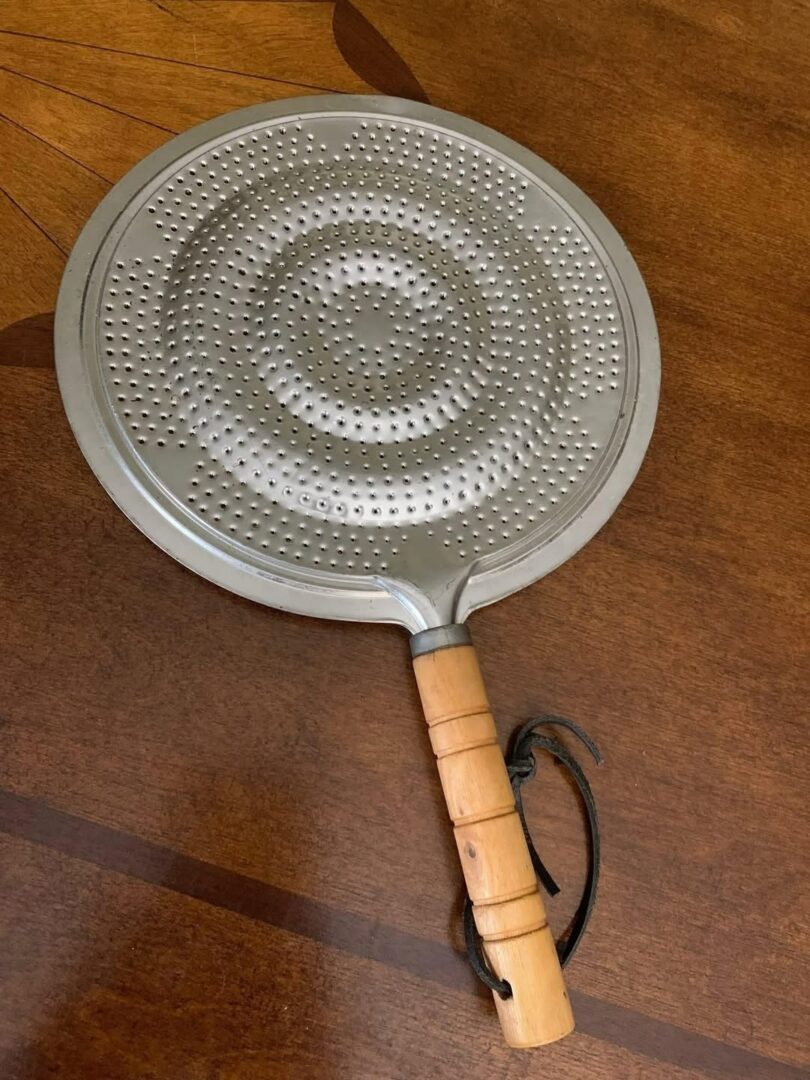
In the gleaming landscape of modern kitchens—amidst the smart ovens that text you and the blenders that connect to Wi-Fi—there sits, or perhaps hangs, a tool so simple it feels almost out of place. A circle of metal, often with a wave-like pattern, crowned with a humble wooden handle. It’s the simmer ring flame heat diffuser, and dismissing it as a relic is the biggest mistake a passionate cook can make. This isn’t just a piece of metal; it’s a translator, a peacemaker, and a guardian of flavor. It might just be the closest thing to a secret key for unlocking consistency and perfection in every dish that requires patience.
The Problem It Solves: Taming the Untamable Flame
Modern gas stoves are incredible, but they have a primal flaw for low-and-slow cooking: direct, aggressive heat. Even on the lowest setting, a gas flame licks directly at the bottom of your pot, creating hot spots that scorch tomato sauce, curdle delicate custards, and turn a gentle braise into a frantic boil. Induction and electric coils have their own issues with uneven, residual heat.
The simmer ring doesn’t generate heat. It diffuses it. Placed between the burner and your pot, it spreads the flame’s intensity evenly across the entire bottom of the cookware. It transforms a roaring, point-and-shoot flame into a gentle, uniform blanket of warmth. This is the difference between cooking and mastering.
The Magic It Performs: What Happens When You Use One
The End of Scorched Sauces & Soups: Imagine a bolognese that can bubble for four hours without a single bitter, burnt note at the bottom. The diffuser makes this possible, allowing flavors to marry and deepen without risk.
Chocolate & Custards Without Fear: The mortal enemy of delicate dairy and eggs is a sudden spike in heat. The diffuser creates a buffer, allowing you to melt chocolate or thicken a pastry cream with the gentle, steady heat of a water bath—but without the water bath.
Perfect Rice & Grains, Every Single Time: It eliminates the hot spot in the center that can cause a hard, overcooked layer at the bottom of your pot, leading to flawlessly separate, evenly cooked grains.
Keeping Food Warm Without Cooking It: Need to hold gravy, soup, or stew at the perfect serving temperature for an hour? The diffuser keeps it just below a simmer, so it stays hot without reducing or breaking down further.
Saving Your Fine Cookware: It protects the bottoms of your copper, clad, and enameled pots from the concentrated discoloration and warping caused by direct high heat, effectively extending their lifespan.
The Wooden Handle Isn’t Just Rustic Charm—It’s Wisdom
That handle is the design feature that elevates it from a tool to a kitchen companion.
Safety First: Metal gets screaming hot. The wooden handle stays cool enough to touch, allowing you to safely place or remove the diffuser from a live burner without reaching for oven mitts.
A Natural Grip: It provides a secure, ergonomic hold, unlike a bare metal edge.
The Soul of the Kitchen: Its warmth and texture are a tactile reminder that cooking is a human craft, connecting you to the generations of cooks who relied on this same principle.
How to Use Your “Secret Key” to Perfection
Using it is blissfully simple, but the results are profound:
Place the diffuser directly on the burner grate.
Turn your burner to the desired flame level. For simmering, you’ll often use a medium flame, as the diffuser will lower the effective heat.
Place your pot or pan on top of the diffuser. You’ll notice the heat transfers more slowly and evenly. Adjust the flame as needed.
For the most delicate tasks (melting chocolate), you can even turn the flame off and let the residual heat in the diffuser do the work.
The One Caveat: It’s a Specialist, Not a Generalist
This tool is not for every job. Do not use it for:
Searing or High-Heat Frying: It will prevent you from getting a proper, crispy sear on steak or pancakes.
Rapid Boiling: It slows heat transfer, making it inefficient for bringing large pots of water to a boil.
Its purpose is control, not power. It’s for the dishes where patience is the primary ingredient.
The Verdict: Is It the Key to Perfection?
For any dish that lives in the world of “low and slow,” absolutely, yes. It is a mechanical guarantee of gentle, even heat that most modern stoves simply cannot replicate on their own. It turns the most temperamental gas burner into a tool as precise as a sous vide machine for stews, sauces, and simmers.
In a culinary culture obsessed with the next high-tech innovation, the simmer ring is a beautiful paradox: a timeless, analog solution to a very modern problem of control. It doesn’t have a button or a battery. It just works, with a quiet reliability that has seasoned countless meals long before we arrived in the kitchen.
It’s not about replacing your modern stove; it’s about completing it. That wooden-handled circle of metal isn’t hiding in your kitchen. It’s waiting. And for the cook who discovers it, it feels less like finding a new tool and more like being let in on an ancient, delicious secret.






Leave a Comment