
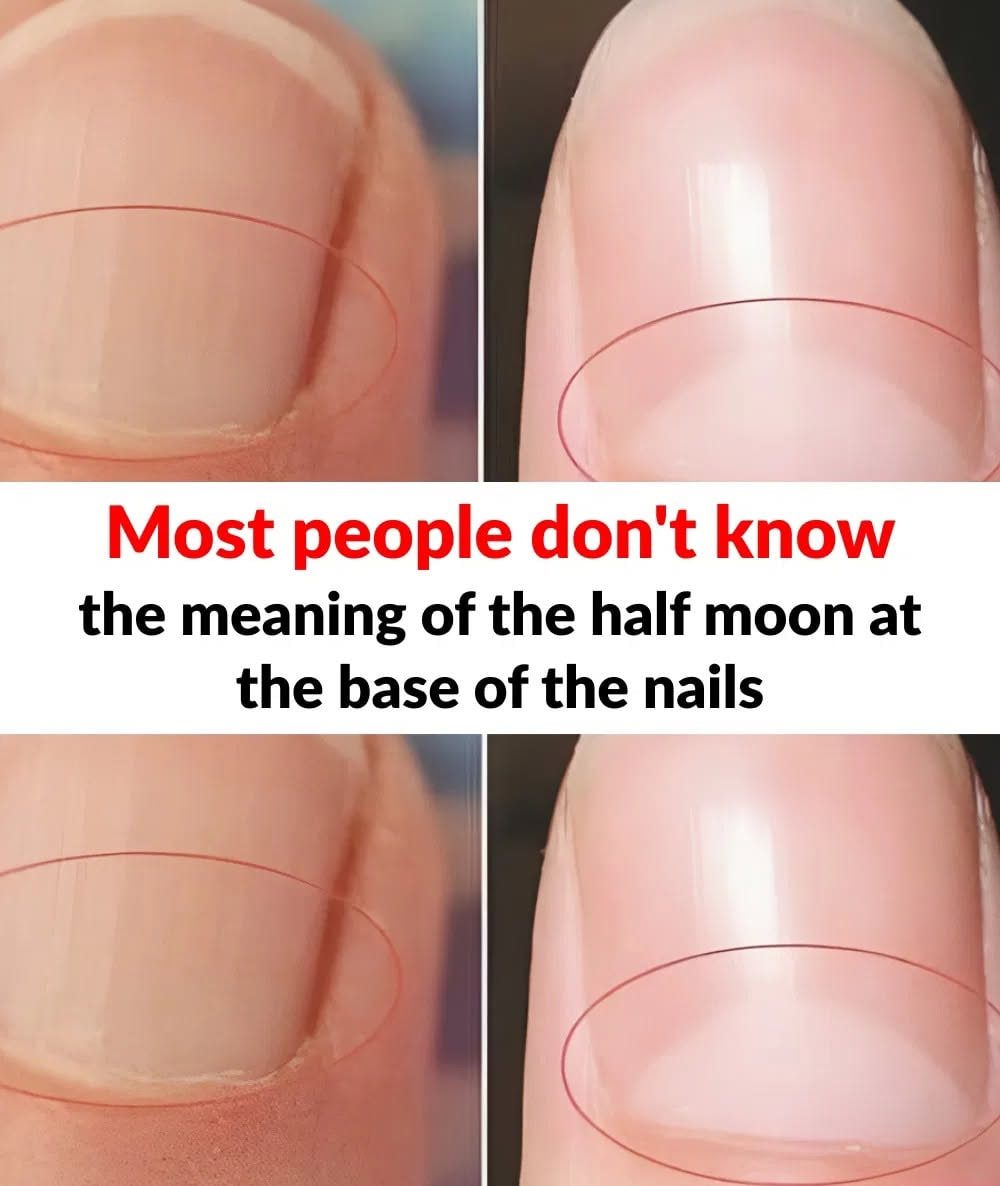
We often overlook it—a small white crescent at the base of our nails that slips by unnoticed. Yet the lunula, as it’s called, has recently sparked curiosity. Could this understated feature reflect our internal health? And more importantly, should we worry if it disappears or changes? The answer lies in one word: subtlety.
What Is the Lunula?
The lunula (Latin for “little moon”) is not a mystery. It’s simply the visible portion of the nail matrix, the area from which the nail grows. Its white appearance stems from a lack of visible blood vessels, distinguishing it from the pinkish nail bed.
In some people, the lunula is prominent—especially on the thumbs. In others, it’s barely visible, or seemingly absent. This is often completely normal and influenced by age, skin tone, genetics, and even lighting conditions. In children and older adults, it may fade naturally.
So, should a faint lunula raise alarm? Not necessarily. What’s more important is tracking changes over time, rather than judging a single snapshot.
When to Pay Attention: Changes to Watch
While lunula variations are common, certain changes may signal health issues—though usually only when combined with other symptoms or patterns.
Enlarged Lunulae
If the lunula becomes noticeably larger—occupying more than one-third of the nail—it may signal conditions like:
Hyperthyroidism
High blood pressure
Cardiovascular stress
However, this must affect multiple fingers over time to warrant real concern.
Disappearing Lunula
A lunula that vanishes entirely might point to:
Chronic fatigue
Iron deficiency
Vitamin B12 deficiency
Again, it’s important not to draw conclusions based on one nail. Observe patterns across hands.
Color Changes
Unusual colors—blue, gray, purple, or red—could suggest:
Poor blood oxygenation
Medication side effects
Circulatory issues
Keep in mind that lighting, temperature, or even a cold hand can alter appearance temporarily. If discoloration persists, consult a healthcare provider.
A red or blotchy lunula in particular should be examined by a dermatologist to rule out infections or vascular conditions.
What Your Lifestyle Reveals Through Your Nails
Nails, like hair and skin, reflect internal health and habits. A visible, healthy lunula often correlates with:
A balanced diet rich in protein, iron, zinc, and B vitamins
Stable hormone levels
Low stress levels
On the other hand, the lunula may fade with:
Restrictive diets or fasting
Unbalanced vegetarian diets
Chronic stress or burnout
Hormonal changes, such as during menopause, postpartum, or chemotherapy
When to See a Doctor
Consult a healthcare provider without delay if the lunula:
Changes color suddenly
Disappears across multiple nails
Becomes deformed or irregular
Especially if accompanied by:
Fatigue
Brittle nails
Pale skin
Shortness of breath
A basic blood test can often identify or rule out underlying issues. People with thyroid disorders, heart disease, or diabetes should consider nail monitoring as part of routine health assessments.
Final Note: Non-Alarming but Worth Observing
The lunula changes gradually, not overnight. Observe its appearance in natural light over several weeks before jumping to conclusions. And when in doubt, consult a dermatologist or podiatrist for a non-alarmist, professional evaluation.
