
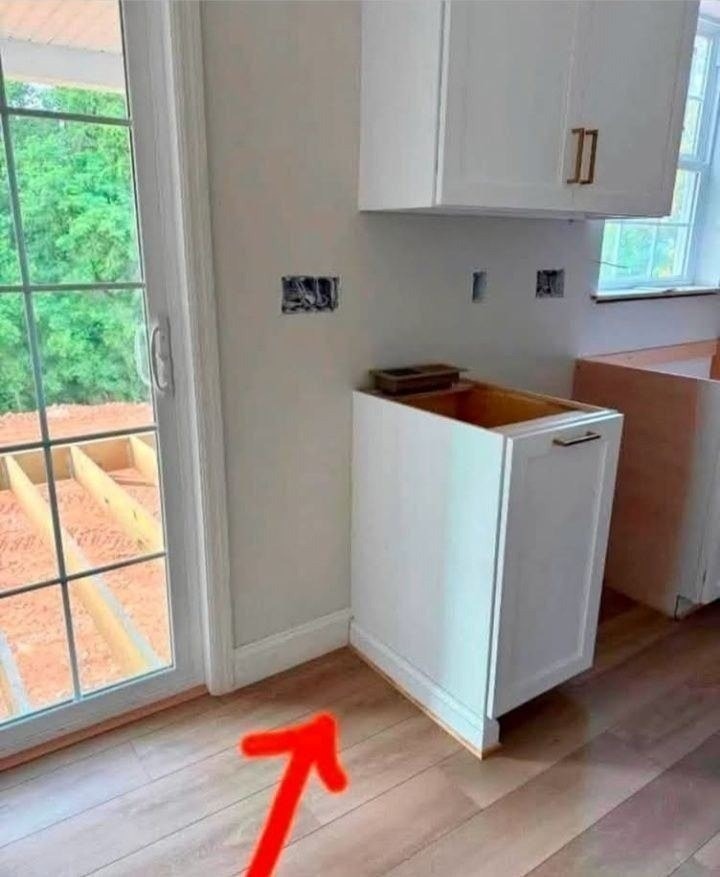
You finally did it. After months—maybe years—of planning, budgeting, decision-making, and second-guessing, your new kitchen is finished. The cabinets are in. The countertops gleam. The appliances hum quietly in their rightful places. Everything feels cohesive, intentional, and beautiful.
And then you notice it.
That little space.
It might be a narrow gap between cabinets. An awkward corner near the fridge. A small stretch of wall that didn’t quite get filled. A shallow nook under a window. Too small for a cabinet, too noticeable to ignore.
Suddenly, the question becomes unavoidable:
What should I put in this little space in my new kitchen?
If this sounds familiar, you’re not alone. In fact, these small, “leftover” spaces are incredibly common in kitchen design—and they’re often the most creatively rewarding to solve. With the right approach, that little space can become one of the most functional, charming, or visually interesting features in your kitchen.
Let’s explore how to evaluate your space, what your options are, and how to turn an awkward gap into something purposeful and beautiful.
Why Kitchens Always End Up with “That One Space”
No matter how well a kitchen is planned, small leftover areas are almost inevitable. Kitchens are complex rooms, filled with fixed elements like plumbing, appliances, windows, and doors that don’t always align perfectly.
Some common reasons these spaces appear include:
Standard cabinet sizes not fitting the room exactly
Structural elements like beams or columns
Appliance clearance requirements
Older homes with uneven walls
Design compromises made to prioritize workflow
While these spaces can feel frustrating at first, they’re also an opportunity. Unlike major kitchen components, small spaces allow you to experiment without committing to a permanent or expensive solution.
First: Identify What Kind of Space You’re Dealing With
Before deciding what to put there, it’s important to understand the nature of the space. Ask yourself a few key questions.
How Big Is It?
A few inches wide?
About the width of a cabinet?
Tall and narrow?
Short and shallow?
Where Is It Located?
Near the sink?
Next to the fridge?
At the end of a run of cabinets?
In a corner?
Under a window?
Is It Functional or Decorative?
Does it need to serve a purpose?
Or is it purely visual?
Is It Accessible?
Easy to reach?
Awkward to bend into?
Blocked by doors or appliances?
Your answers will help narrow down the best options.Smart Storage Solutions for Small Kitchen Spaces
In many kitchens, the best use of a little space is extra storage. Kitchens never seem to have enough of it, and even a small addition can make a big difference.
1. Slim Pull-Out Pantry
If your space is narrow but tall—especially near the fridge or oven—a slim pull-out pantry can be a game-changer.
Why it works:
Maximizes vertical space
Keeps items organized and visible
Perfect for spices, oils, canned goods, or snacks
Even a gap as small as 6–9 inches can accommodate a pull-out unit.
2. Open Shelving
Open shelves work beautifully in small spaces, especially when full cabinets would feel bulky.
Best for:
Cookbooks
Decorative bowls
Glassware
Plants
Frequently used items
Open shelving also helps break up long runs of cabinetry and makes a kitchen feel more open and personalized.
3. Built-In Wine Storage
A small space near the dining area or fridge is ideal for wine storage.
Options include:
Vertical wine racks
Diamond-shaped cubbies
Under-counter wine shelves
Wine storage adds character and gives the space a custom, high-end feel.
Good plant options include:
Herbs (basil, rosemary, mint)
Pothos
Snake plant
Small fiddle-leaf fig (for floor-level spaces)
A plant instantly softens hard surfaces and adds warmth.6. Artwork or Framed Prints
If the space is a blank wall or narrow vertical area, artwork can be surprisingly effective.
