
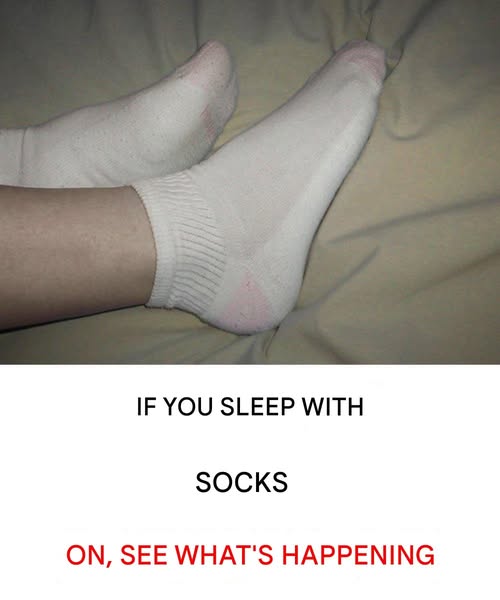
For many older adults, slipping on socks indoors might feel like an extra step with little payoff. But this small, often-overlooked habit carries outsized benefits for health, safety, and well-being. As we age, our bodies change: circulation slows, skin thins, and we lose heat more quickly—especially through our feet. Wearing socks isn’t just about comfort; it’s a gentle yet powerful act of self-care that supports everything from heart health to restful sleep. Sometimes, the simplest choices make the biggest difference.
1. Supports Healthy Circulation and Comfort
Cold feet are more than just uncomfortable—they’re a sign of reduced blood flow, a common issue in older adults. When feet get cold, blood vessels constrict, making it harder for oxygen and nutrients to reach the extremities. This can aggravate conditions like diabetes, arthritis, or edema (swelling).
Wearing soft, breathable socks made from natural fibers—such as cotton, bamboo, or merino wool—creates a light insulating layer that maintains warmth without causing overheating. This gentle heat encourages vasodilation (the widening of blood vessels), promoting smoother circulation, easing joint stiffness, and supporting overall cardiovascular function. In essence, cozy feet help keep your whole body moving more comfortably.
2. Encourages Deeper, More Restful Sleep
Here’s a little-known secret to better sleep: warm feet. Research shows that when your feet are comfortably warm, blood vessels in the skin dilate, helping your body release heat and lower core temperature—a natural signal that it’s time to sleep. This process not only helps you fall asleep faster but also improves sleep continuity.
For seniors who struggle with insomnia, nighttime awakenings, or leg cramps, wearing lightweight, clean socks to bed can be a simple, drug-free solution. The consistent warmth helps relax muscles, reduce cramping, and create the ideal conditions for peaceful, uninterrupted rest.
3. Protects Delicate Skin and Prevents Falls
Aging brings thinner, more fragile skin—especially on the feet. Walking barefoot on cool tile, hardwood, or even carpet can lead to dryness, cracking, or minor injuries that may go unnoticed. For those with diabetes or neuropathy, even a tiny cut can become a serious concern due to slower healing and reduced sensation.
Socks act as a soft shield, guarding against friction, bacteria, and temperature extremes. Even more importantly, non-slip or grippy-soled socks significantly reduce the risk of slips and falls—one of the leading causes of injury among older adults. They offer quiet stability on smooth surfaces, turning every step into a safer one.
4. Smart Choices for Healthier Feet
Not all socks are created equal—especially for aging feet. To maximize benefits:
- Change socks daily and wash them in warm water to eliminate sweat, odor, and bacteria.
- Avoid tight elastic bands that can restrict circulation; look for “diabetic-friendly” or “no-binding” styles.
- Choose seamless designs to prevent rubbing or pressure points.
- Ensure a proper fit: too loose, and they bunch; too tight, and they constrict. Aim for snug but comfortable.
Investing in a few high-quality pairs—soft, breathable, and thoughtfully designed—is a small price to pay for greater comfort, protection, and peace of mind.
Wearing socks at home isn’t about fashion—it’s about dignity, safety, and care. It’s a quiet way to honor the changes your body has undergone and support it with kindness. So whether you’re padding around the kitchen, settling in for a nap, or heading to bed, let your feet stay warm, protected, and supported. After all, sometimes the most profound acts of wellness begin at the soles of your feet.
